The Family Packing System Complete Guide: How to Get Everyone Out the Door Without Losing Your Mind
Picture this: It’s 5:45 AM. Your flight leaves at 8:30. One kid can’t find their sneakers. Another one just announced they “forgot” to pack underwear. Your partner is sitting on the suitcase trying to zip it shut while you’re mentally calculating whether you can just buy everything when you land. Sound familiar?
This is what happens when a family packs without a system. And this family packing system complete guide exists specifically to fix that.
The good news? A solid family packing system isn’t complicated. It’s a repeatable process — built once, used forever — that tells every family member exactly what to pack, where it goes, and how it stays organized from home to hotel and back again. Once you have it, travel prep goes from chaotic to almost boring. That’s the goal.
Here’s what you’ll walk away with: a clear framework, a step-by-step system you can use on your next trip, and a few pro moves that separate the families who travel smoothly from the ones white-knuckling it through check-in.
What You’ll Need Before You Start
Before we get into the system, let’s set expectations. This isn’t a “just roll your clothes” tip list. It’s a framework — which means it takes about 20 minutes to set up the first time, and maybe 10 minutes every trip after that.
Here’s what you’ll need:
- A packing list template — either digital (Notes app, Google Docs) or printed
- One bag per person — kids included, age-appropriate sizing
- A way to separate clothing by person — this is where packing cubes earn their keep
- 15–20 minutes of focused prep time — ideally 2–3 days before departure, not the night before
If you’ve been meaning to check out Planning Trips with Kids (Simplified), now’s a great time — it pairs well with what we’re covering here.
The Family Packing System: Step-by-Step
Step 1 — Build Your Master Family Packing List (Once)
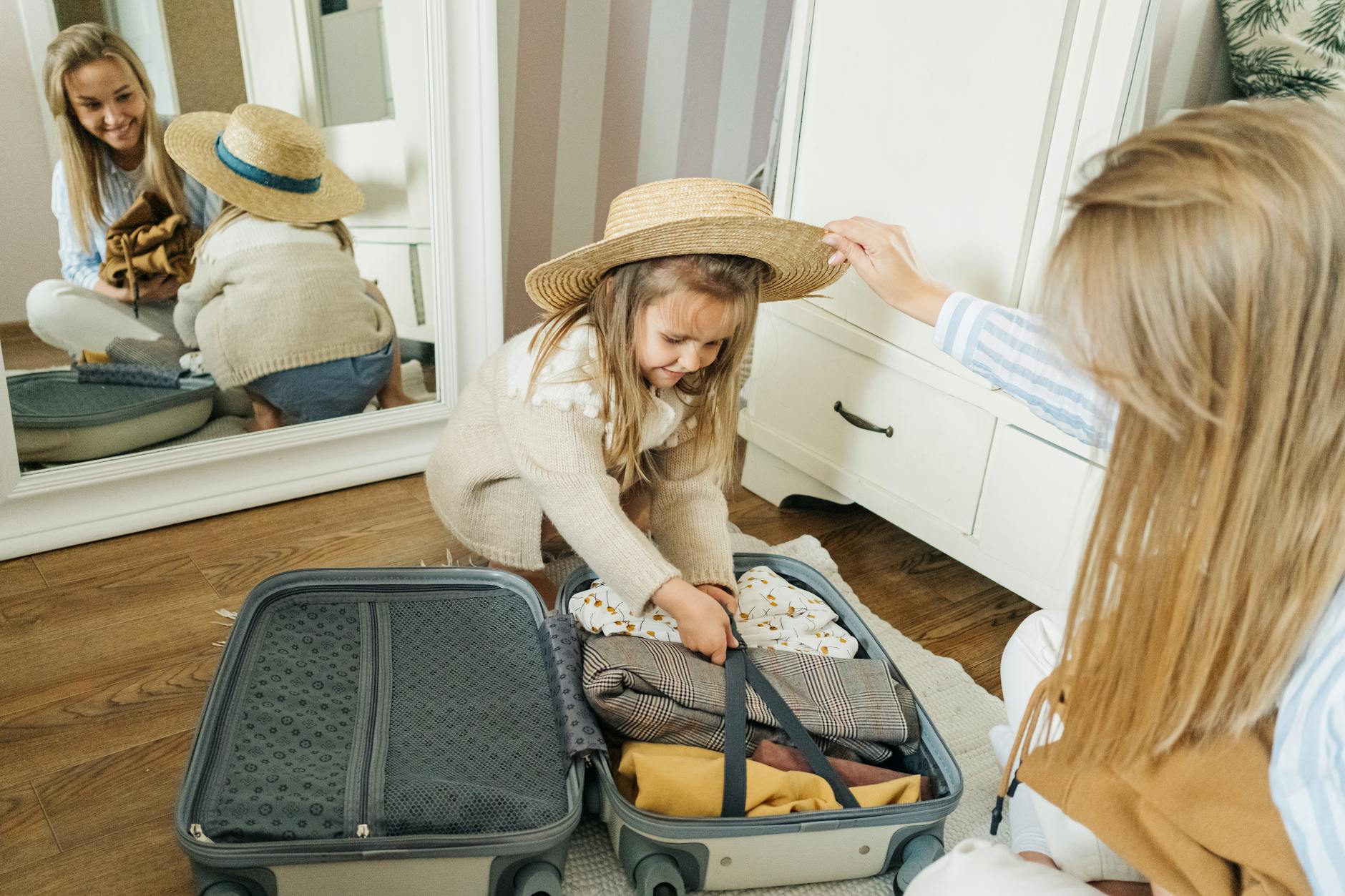
The single most time-saving thing you can do is create one master list that you reuse every trip. Not a fresh list each time — the same list, tweaked by destination and duration.
Organize it in columns: one per family member. Under each name, list categories — tops, bottoms, underwear, socks, shoes, outerwear, toiletries, documents, devices, and “extras” (medicine, comfort items for kids, etc.).
Use a simple formula for clothing: one outfit per day, plus one extra, minus one. So for a 5-day trip, pack 5 outfits. That sounds obvious, but most families pack 8–9 outfits for a 5-day trip “just in case.” That’s how bags get heavy and unmanageable fast.
Keep this list saved somewhere everyone can access it. The first time you build it, you’re doing real work. Every trip after that, you’re just reviewing and adjusting.
Step 2 — Assign One Bag Per Person (Yes, Even the 5-Year-Old)
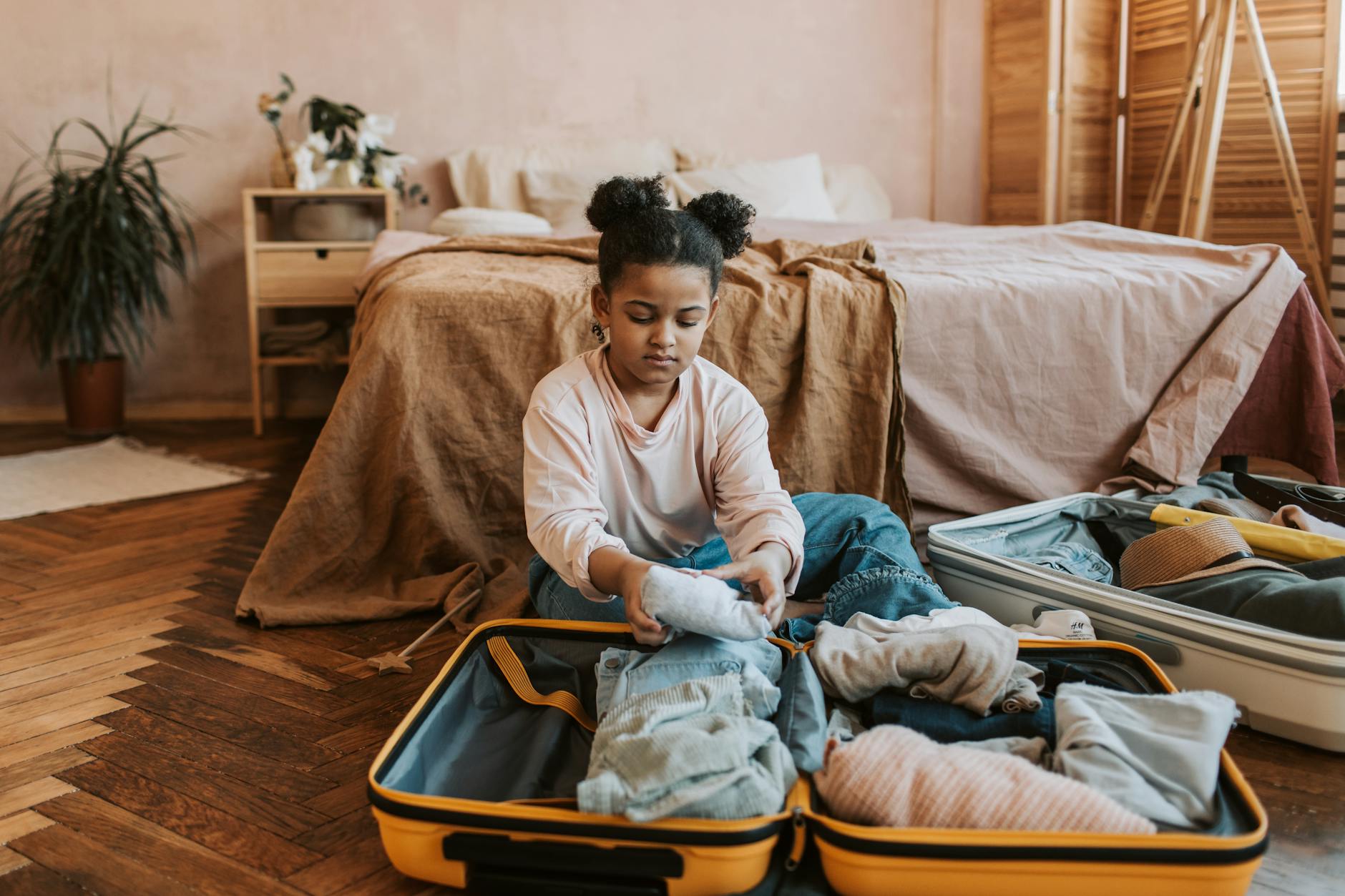
This is the move that changes everything for family travel: every person is responsible for their own bag.
Kids as young as 4–5 can carry a small backpack with their own essentials — a stuffed animal, a change of clothes, their tablet. By age 8–10, kids can pack a full carry-on with minimal supervision. By their teens, they’re fully independent packers.
When everyone owns their bag, two things happen. First, you stop being the family pack mule. Second, kids actually remember where their stuff is because they put it there.
For parents, split the shared items (sunscreen, first aid kit, snacks) between both adult bags so nothing critical is in one place.
Step 3 — Use Zones Inside Each Bag
Here’s the thing — a bag without zones is just a pile with a zipper. And a pile with a zipper is where things go to disappear.
Zone your bags like this:
- Clothing zone — the main compartment, organized by person or by type
- Access zone — the top or front pocket, for things you need mid-flight (headphones, snacks, lip balm)
- Document zone — passports, boarding passes, travel insurance, all in one slim pouch
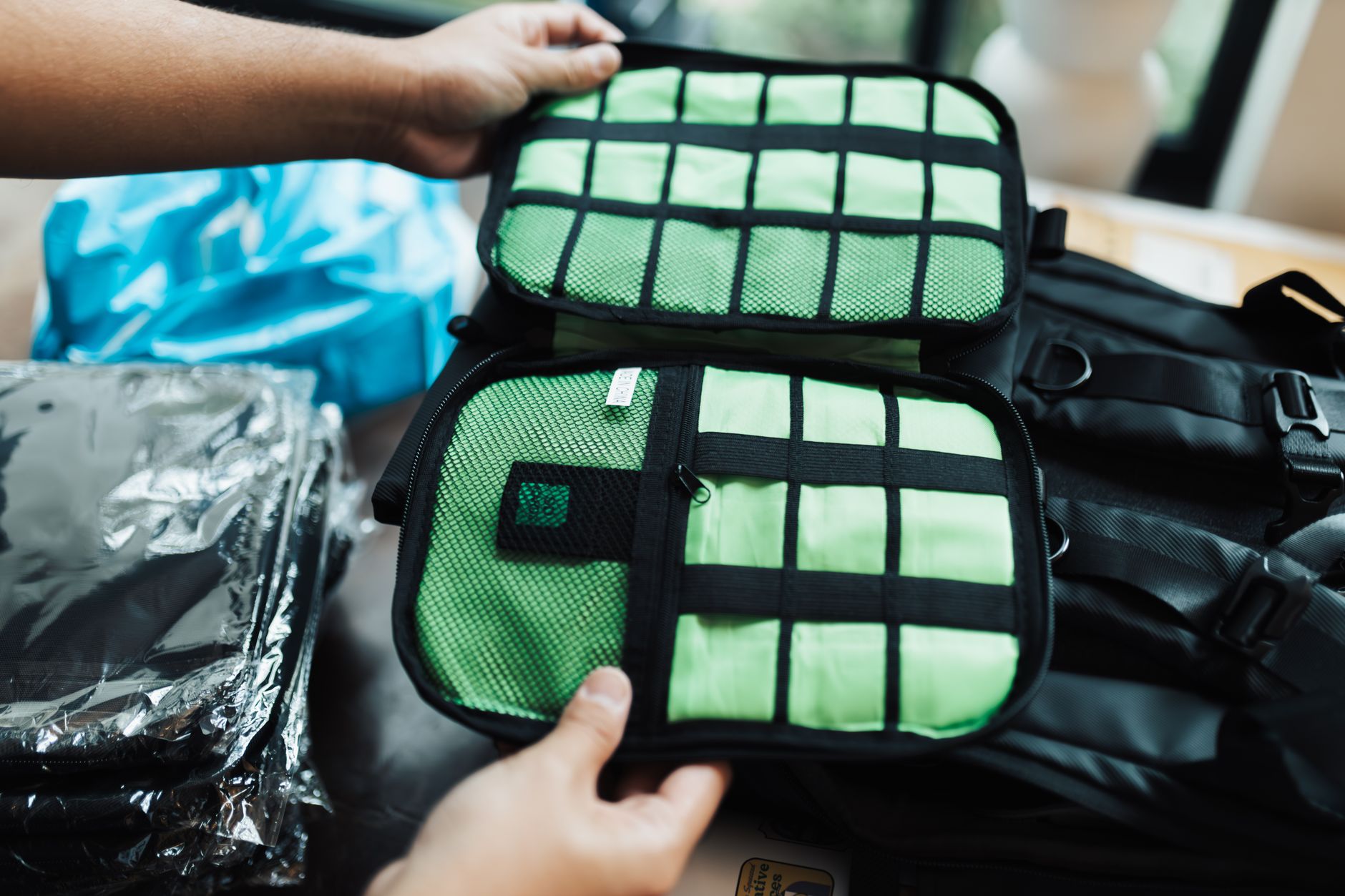
- Tech zone — chargers, cables, power banks in a dedicated pouch so they don’t snake through everything else
This is exactly the moment where a lot of families hit a wall. They’ve got the right clothes, the right bag — and then they open it at the hotel and everything’s just… everywhere. Clothes mixed with chargers mixed with that one rogue sock. Digging through a suitcase at midnight while kids are melting down is nobody’s idea of a good trip.
That’s why we started using Compressible Packing Cubes for our clothing zone. They compress down to squeeze out extra air and wasted space, keep each person’s clothes in their own cube, and make it instantly obvious whose stuff is whose. Available on Amazon Canada and Amazon US — genuinely one of those things that earns back the counter space it takes up.
Step 4 — Pack in the Right Order
How you load the bag matters as much as what goes in it. Here’s the sequence that works:
- Heavy items first, against the back panel — shoes, toiletry bags, any hard cases
- Clothing cubes next — stacked vertically if possible so you can see each cube’s contents at a glance
- Soft fillers last — stuff socks into shoes, fill gaps with rolled items, use every cubic inch
- Top layer: tomorrow’s outfit — whatever you need first at the hotel goes on top, not buried at the bottom
This order means you’re not unpacking the whole bag to find one thing. It also distributes weight better, which matters after a long travel day when you’re hauling bags through an airport.
Step 5 — Do a Final 60-Second Bag Check

Before you zip up, run through three questions:
- Can I get through two days if one bag gets delayed? (Always pack critical items across bags.)
- Does the bag close without forcing it? (If you’re sitting on it, something needs to come out.)
- Do I know where my documents and devices are without digging? (If not, re-zone.)
Sixty seconds. Every time. It catches 80% of packing mistakes before they become airport problems.
Pro Tips That Most Families Skip
Pack a “hotel arrival kit” in your personal item. This is a small zippered pouch with the absolute essentials for your first hour at the hotel — toothbrushes, kids’ pajamas, one change of clothes, any medication. When you land after a red-eye and everyone’s exhausted, you don’t want to excavate a full suitcase. Pull out the kit, sort the rest tomorrow.
Take a photo of every packed bag before you leave. This takes five seconds and is invaluable if anything gets lost or damaged. You have a visual record of exactly what was in the bag. Insurance claims, lost luggage forms, even just trying to remember what you packed — the photo saves you.
Build the system before the trip you need it. The worst time to implement a new packing system is the morning before a vacation. Run through it once on a weekend trip or even a practice “repack” at home. The second time is always faster and calmer.
Common Pitfalls (And What to Do Instead)
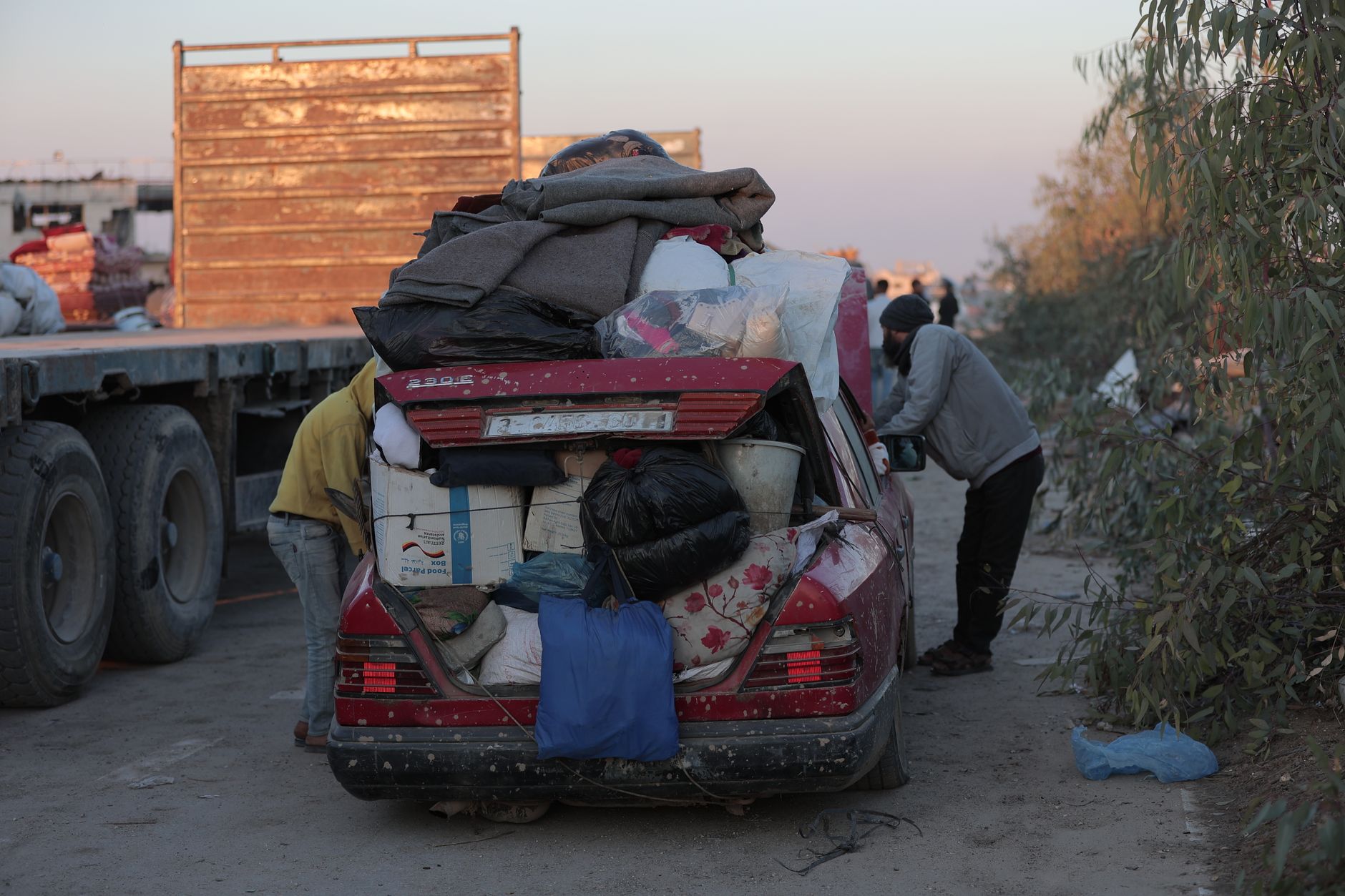
Pitfall 1: Packing “just in case” items for every scenario. This is how families end up with 40-pound checked bags for a 5-day trip. The fix: for every “just in case” item, ask “what’s the realistic worst case if I don’t have this?” Most just-in-case items can be bought at a drugstore for $5 if you actually need them. Pack intentionally, not fearfully.
Pitfall 2: One giant shared family suitcase. It seems efficient until someone needs something from the bottom and you’re unpacking on the terminal floor. Individual bags — even if they’re slightly smaller — give you flexibility, accountability, and way less chaos. Shared bags are where things go to get lost and blamed on everyone else.
Pitfall 3: Starting to pack the night before. Real talk: night-before packing is how you end up at the airport without anyone’s charger and two left shoes. Start your list 5–7 days out, lay out clothes 2–3 days out, and do your actual packing 24–36 hours before departure. You’ll sleep better and pack smarter.
Need help building the trip plan that informs your packing list? How to Pack Based on Your Itinerary walks through exactly how to match what you pack to what you’re actually doing each day.
Build It Once, Use It Every Trip
The best family packing system is the one you’ll actually use — and the one you’ll actually use is the one that takes the thinking out of it.
One master list. One bag per person. Clear zones inside every bag. Pack in the right order. Check before you zip. That’s the whole system. It’s not flashy, but it works every single time.
Your next step: open a Notes doc right now and start your master family packing list. Add the five columns (or however many family members you have), drop in the categories, and rough in the clothing count using the one-outfit-per-day formula. Twenty minutes today saves you two hours of stress on every trip you take from here.
Pack once, travel twice.
About the Author

Alex W.
Alex has been writing about travel logistics since 2019, with a focus on packing strategy and carry-on-only travel. When he’s not optimizing his airport routine, he’s probably repacking his bag for the third time this week.


