How to Pack Based on Your Itinerary (So You Always Have Exactly What You Need)
You’re three days into a week-long trip and you’ve already worn everything you brought. Or worse — you packed for a beach vacation and spent the first two days in meetings you forgot were on the schedule. Sound familiar? Learning how to pack based on your itinerary is the single most effective way to stop overpacking, stop underpacking, and start showing up to every leg of your trip actually prepared.
The Quick Answer
To pack based on your itinerary, break your trip into activity blocks (travel days, casual days, formal events, outdoor activities), list what you need for each block, then find the items that overlap and cover multiple blocks. You pack for the trip you’re actually taking — not the trip you imagine you might take.
What You’ll Need Before You Start
Before you unzip a single bag, get these things in order:
- Your confirmed itinerary — flights, hotel check-ins, planned activities, any meetings or events. The more specific, the better.
- A weather forecast for your destination and travel dates. Check it 5–7 days out for accuracy.
- A packing list template — a blank one you’ll fill in, not a generic “what to bring” checklist from the internet.
- Your bag — know your size constraints before you decide what goes in.
If your itinerary isn’t finalized, do that first. You can’t pack for a trip you haven’t planned. Check out How to Build a No-Stress Travel Itinerary if you’re starting from scratch — it’ll save you a lot of guesswork at the packing stage.
Step-by-Step: How to Pack Based on Your Itinerary
Step 1 — Map Out Your Activity Blocks
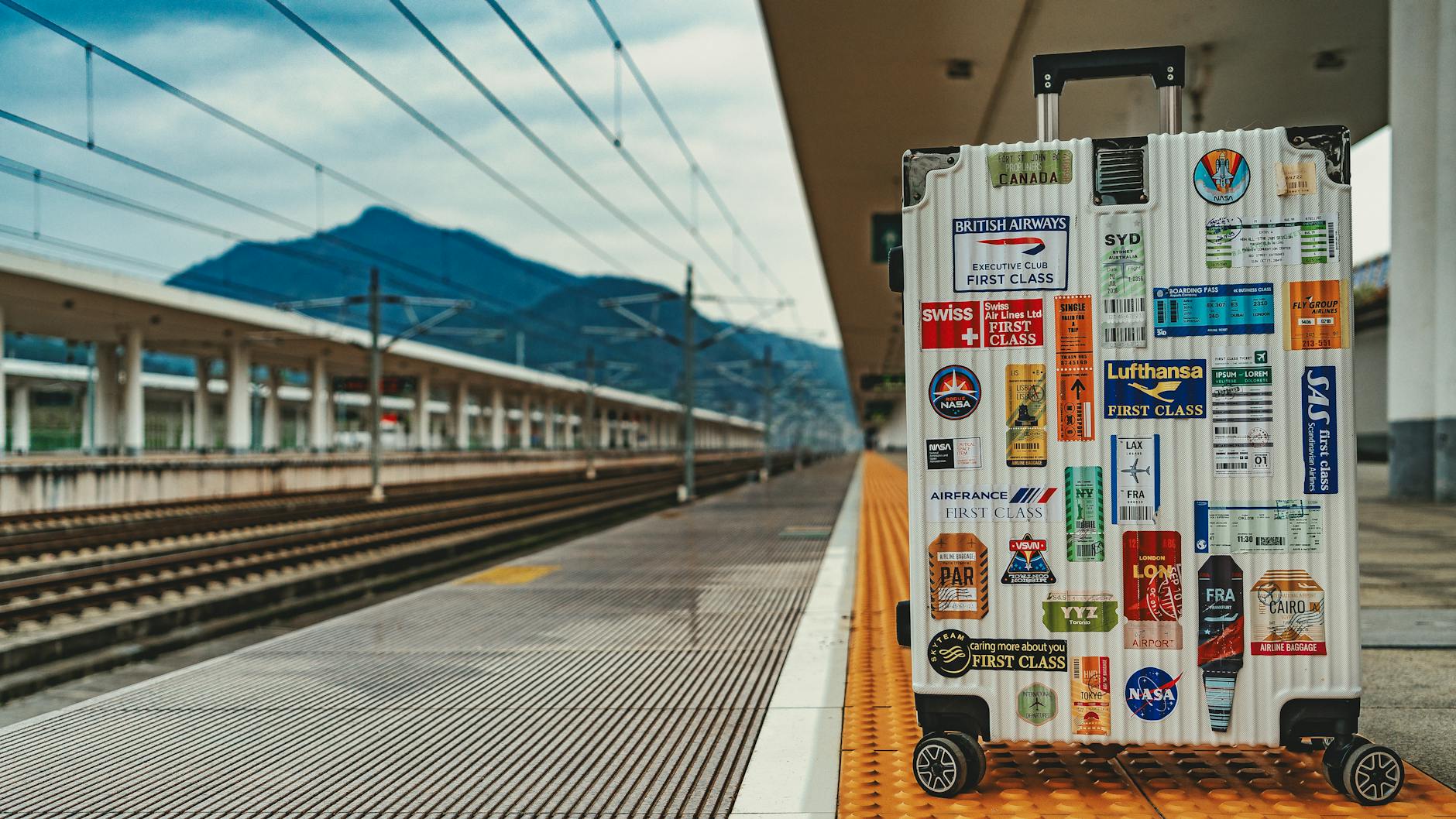
Open your itinerary and highlight every different type of activity you’ll be doing. Don’t think about clothes yet. Just categorize what your days actually look like.
Common activity blocks include:
- Travel days (airports, long drives, trains)
- Casual sightseeing or city walking
- Beach or pool time
- Hiking or outdoor activities
- Business meetings or work sessions
- Nice dinners or evening events
- Rest days at the hotel or Airbnb
For example: a 7-day trip to Mexico might break down as — 2 travel days, 3 beach days, 1 day trip to ruins, and 1 nice dinner. That’s your real itinerary. That’s what you pack for.
Step 2 — List What Each Block Actually Requires
Now go through each activity block and write down what clothing and gear it needs. Be honest and specific. “Beach day” doesn’t need four swimsuits. It needs one or two, a cover-up, and sandals.
Here’s what that looks like in practice:
| Activity Block | What It Needs |
|---|---|
| Travel days (x2) | Comfortable pants, t-shirt, light jacket, slip-on shoes |
| Beach days (x3) | 2 swimsuits, cover-up, sandals, sunscreen |
| Day trip to ruins | Shorts or light pants, t-shirt, walking shoes, hat |
| Nice dinner | One dressy outfit or elevated casual look |
Write it all out before you start pulling clothes from your closet. This step prevents the “just in case” spiral where you start adding items that have no corresponding activity.
Step 3 — Find the Overlap (This Is Where You Save Space)
Look at your list from Step 2. Circle anything that works across more than one activity block. This is the core of itinerary-based packing — finding the versatile items that pull double or triple duty.
In the Mexico example above:
- A light linen shirt works for sightseeing and the nice dinner.
- Comfortable shorts work for the beach and the day trip to ruins.
- Sandals work for beach days and casual evenings out.
- The light jacket from travel days is also useful on the plane ride home and cool evenings.
Once you see the overlap, you start cutting duplicates. You don’t need a separate “dinner outfit” if one of your nicer shirts already covers it. You don’t need four t-shirts if you’re only out actively for three days and can do a quick hand wash mid-trip.
Step 4 — Set a Hard Number for Each Category

Now you’re ready to set limits. This is where most packers skip a step and go back to overpacking. Don’t decide “how many t-shirts feel right.” Decide based on your itinerary.
A simple formula that works for most trips:
- Bottoms: 1 per 3 days (pants and shorts can be worn multiple times)
- Tops: 1 per active day, minus any overlap pieces
- Shoes: Maximum 3 pairs — walking, casual, and one dressier option (or fewer if they overlap)
- Layers: 1 light jacket, 1 warm layer if needed — not both unless your itinerary demands it
- Swimwear: 1–2 pieces max, even for beach-heavy trips
Write the number next to each category. Then stick to it when you open your closet.
Step 5 — Pack by Activity Zone, Not by Day
Here’s a shift that makes a big difference: instead of packing “Day 1 outfit, Day 2 outfit,” pack by zone. Group your beach items together, your travel-day items together, your eveningwear together.
This is where a set of compressible packing cubes genuinely earns its place in your bag. Better Travels Compressible Packing Cubes let you organize by activity zone — one cube for beach gear, one for casual daywear, one for the nice dinner outfit — and compress each cube down to save space. They’re available on Amazon Canada and Amazon USA, and they make it easy to find what you need without unpacking your entire bag at 6 a.m.
Organized by zone means you’re not rooting through everything to find your swimsuit on beach day. You just grab the right cube.
Step 6 — Do a Final Reality Check
Before you zip up, hold each item up and ask one question: When exactly will I wear this? If you can’t name a specific day or activity, put it back. Not “probably at some point.” Specifically.
If the answer is vague — “just in case there’s a cold night” or “maybe if we go somewhere fancy” — check your itinerary again. Is that scenario actually planned? If it’s not on the itinerary, it’s not a packing reason. It’s wishful thinking.
Pro Tips for Itinerary-Based Packing

Build your itinerary before your packing list, always. It sounds obvious, but most people start thinking about packing before their plans are locked. The result is vague, over-cautious packing. A confirmed itinerary gives you permission to pack less because you know exactly what you’re walking into.
Use the “wear it or lose it” rule for shoes. Shoes are the biggest space-wasters in any bag. If you can’t wear a pair of shoes for at least 40% of your trip days, leave them home. One versatile walking shoe and one pair of sandals covers most warm-weather trips completely.
Plan one laundry window on long trips. For trips longer than 7 days, build in one day where you do a quick hand wash in the sink or use a hotel laundry service. It effectively halves the clothes you need to pack. No extra items required — just a small bottle of travel detergent and 20 minutes.
Common Packing Mistakes (and What to Do Instead)
Mistake 1 — Packing for a Trip You Didn’t Book
This is the most common one. You pack “just in case” items for scenarios that have nothing to do with your actual plans. A formal blazer for a hiking trip. Rain gear for a resort in the Caribbean in July. A third pair of shoes for a 4-day city break.
The fix: Go back to your itinerary. Every item needs a corresponding activity. If the activity isn’t written down, the item doesn’t go in the bag.
Mistake 2 — Treating Every Day Like It Needs a Fresh Outfit

Packing “one outfit per day” is a mindset holdover from when you were checking a bag. It ignores the fact that pants, shorts, and outerwear can all be worn multiple times without anyone noticing or caring.
The fix: Think in terms of items, not outfits. A pair of dark jeans can work for sightseeing on Tuesday and dinner on Thursday. Build combinations, not day-by-day ensembles.
Mistake 3 — Leaving Packing Until the Night Before
When you’re tired and rushed, you pack emotionally — grabbing anything that seems useful instead of anything your itinerary actually calls for. The result is a bloated bag full of things you won’t touch.
The fix: Sit down with your itinerary 3–5 days before departure, complete Steps 1 through 4 above, and create your list. Then pack the day before with zero pressure. The packing itself takes 20 minutes when the decisions are already made.
✈️ Better Travels Tip
Your itinerary is your packing filter. Every item you’re considering should pass one simple test: does it appear on your itinerary? If yes, it’s a candidate. If no, it’s dead weight. The best packing tip is the one you’ll actually use — and this one works every single time because it’s based on facts, not feelings.
If your plans include back-to-back activity shifts (beach in the morning, dinner in the evening), organize your bag to reflect that. Activity-based packing cubes make it easy to switch modes without repacking everything at the hotel.
Now You Know How to Pack Based on Your Itinerary
The whole system comes down to one idea: your itinerary tells you what to pack, so let it. Map your activity blocks, match items to those blocks, cut the overlap, and set hard limits. You’ll show up to every part of your trip with exactly what you need and nothing you don’t.
Your next step: Pull up your next trip’s itinerary right now and spend 10 minutes mapping out your activity blocks using Step 1 above. Don’t wait until the night before — that’s where good intentions go to get overpacked. And if you’re still building the itinerary itself, start with How to Plan a Trip in 30 Minutes (Step-by-Step System) — it pairs perfectly with everything in this guide.
Pack once, travel twice.


About the Author

Alex W.
Alex has been writing about travel logistics since 2019, with a focus on packing strategy and carry-on-only travel. When he’s not optimizing his airport routine, he’s probably repacking his bag for the third time this week.
