Motion Sickness Remedies for Travelers: What Actually Works (And What to Skip)
You’re two hours into a winding mountain road when it hits — that slow, creeping nausea that turns a beautiful drive into a survival mission. Or maybe it’s turbulence at 35,000 feet, or a choppy ferry crossing that leaves you gripping the railing and regretting breakfast. Motion sickness doesn’t care how excited you were about this trip. It just shows up uninvited and ruins the moment. The good news? There are real, practical motion sickness remedies for travelers that work — if you know which ones to reach for and when.
Knowing your triggers — and your remedies — can turn a miserable ride into an enjoyable one.
Why Motion Sickness Happens in the First Place
Here’s the short version: your brain gets confused. Your eyes see one thing (say, the inside of a car), your inner ear feels something else (the vehicle moving), and your body can’t reconcile the two signals. The result is nausea, dizziness, sweating, and that general feeling that you’d like to be literally anywhere else.
It’s more common than most people admit. Studies suggest that up to one-third of people are highly susceptible to motion sickness, with another third experiencing it under rougher conditions. So if this is you, you’re in very good company — and you’re definitely not stuck with it.
The Shift: Most People Wait Until They Feel Sick
Here’s what most travellers get wrong: they wait for the nausea to start before doing anything about it. That’s like waiting for a thunderstorm to soak you before putting on a rain jacket. Almost every effective motion sickness remedy works best when used before symptoms begin.
Experienced travellers know this. They take their medication before boarding, choose their seat strategically before the journey starts, and manage their meal timing in advance. Prevention isn’t a hack — it’s the actual strategy.
The Framework: Motion Sickness Remedies That Actually Work

1. Over-the-Counter Medications (Take Them Before You Board)
For many travellers, medication is the most reliable first line of defence. Two ingredients dominate the over-the-counter options:
- Dimenhydrinate (Gravol in Canada, Dramamine in the US) — A classic antihistamine that blocks the signals your brain uses to trigger nausea. Take it 30–60 minutes before travel. Works well for most people, but can cause drowsiness.
- Meclizine (Bonine, Antivert) — A longer-acting antihistamine that’s less sedating than dimenhydrinate. Better for full-day trips like cruises or long drives.
The key with both: timing matters. Taking them after you feel sick is almost too late — they need to be in your system before the motion starts.
Common resistance: “I don’t like taking medication.” Fair enough. But there’s a range — from prescription patches to gentle chewable tablets — and a doctor can help you find the right fit. You don’t have to white-knuckle it through a seven-hour ferry crossing.
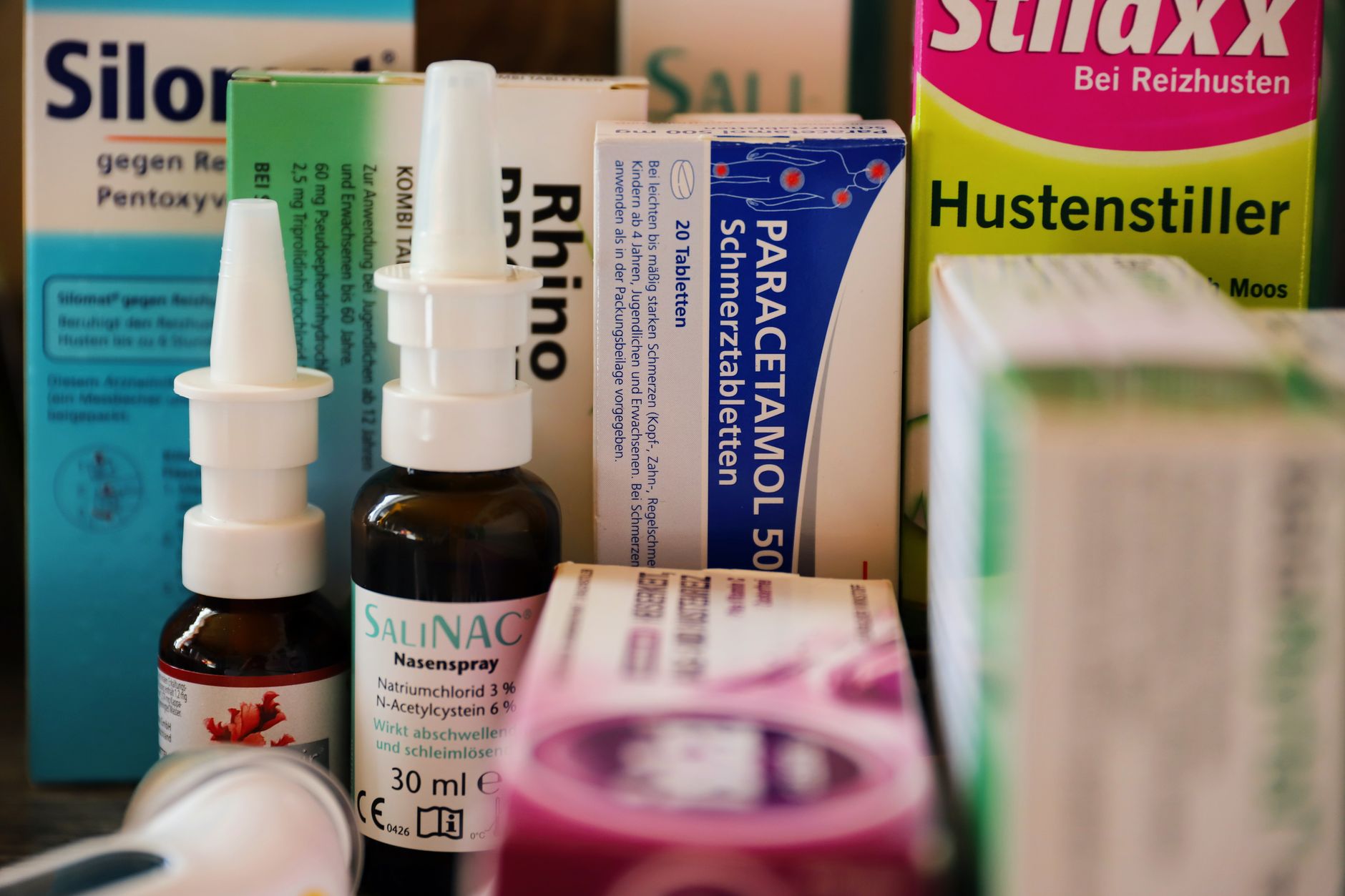
A compact motion sickness kit can make the difference between a miserable trip and an enjoyable one.
2. Prescription Options for Severe Cases

If over-the-counter options haven’t cut it, talk to your doctor before your next trip. Two prescription options are worth knowing about:
- Scopolamine patch (Transderm Scop) — Worn behind the ear, this patch releases medication continuously for up to three days. It’s a favourite among cruise travellers and people prone to severe seasickness. Apply it at least four hours before travel.
- Promethazine — More powerful, often used by sailors and frequent flyers with serious motion sensitivity. It does cause significant drowsiness, so it’s typically reserved for situations where sleeping through the journey is acceptable.
These aren’t everyday options for minor nausea — but for travellers who have genuinely struggled, they can be game-changers.
3. Natural Remedies Worth Trying
Not everyone wants to go straight to medication, and that’s completely reasonable. Several natural remedies have real evidence behind them:
- Ginger — One of the most studied natural remedies for nausea. Ginger chews, ginger tea, ginger capsules — all can help reduce mild to moderate motion sickness. Start 30 minutes before travel for best results.
- Acupressure wristbands (Sea-Bands) — These apply gentle pressure to the P6 (Nei-Kuan) point on the inner wrist. The research is mixed, but many travellers swear by them, they have no side effects, and they’re inexpensive. Worth keeping in your bag.
- Peppermint — Peppermint oil or peppermint tea can ease nausea for some people. A small rollerball of peppermint oil applied to the temples or wrists is easy to pack and surprisingly effective.
- Controlled breathing — Slow, deep breaths — inhale for four counts, exhale for six — can interrupt the nausea cycle. It won’t eliminate severe symptoms, but it genuinely helps take the edge off.
The honest truth: natural remedies work best for mild susceptibility. If you get genuinely ill on moving vehicles, they may not be enough on their own — but they’re excellent complements to medication.
4. Smart Positioning: Where You Sit Changes Everything

This is one of the most underrated motion sickness remedies for travelers — and it costs nothing. Where you sit dramatically affects how your body experiences motion.
- In a car: Front seat, always. The driver almost never gets motion sick because their brain anticipates the motion. If you’re a passenger, front seat is the next best thing.
- On a plane: Seats over the wings experience the least turbulence. Aim for rows 10–30 on most commercial aircraft.
- On a boat or ferry: Middle of the ship, lower deck, ideally near the waterline. The bow and stern rock the most — avoid them.
- On a bus or train: Face forward, near the front. A window seat lets you fix your gaze on the horizon, which helps your brain reconcile the motion signals.
The horizon trick: Looking at a fixed, distant point — the horizon, a mountain, a landmark — is one of the fastest ways to calm motion sickness symptoms. It gives your brain the visual confirmation it’s been missing.
Choosing the right seat is one of the simplest and most effective motion sickness strategies you have.
5. What to Eat (And What to Avoid) Before and During Travel
Your stomach has more influence over motion sickness than most people realize. The goal is balance — not too full, not too empty.
- Eat a light meal 1–2 hours before travel. An empty stomach can make nausea worse; a heavy meal creates the same problem.
- Avoid greasy, spicy, or strongly scented foods before and during travel. Your digestive system doesn’t need extra work when it’s already managing motion input.
- Stay hydrated. Dehydration amplifies nausea. Sip water steadily — don’t chug it.
- Limit alcohol before travel. Alcohol disrupts your inner ear, which is exactly the system you’re trying to keep stable.
- Carbonated drinks can help some people manage mild nausea mid-trip — ginger ale especially.
One practical tip: pack a small snack bag with bland, easy-to-digest foods — crackers, plain nuts, ginger chews — for long travel days. It keeps your stomach settled without the risk of a heavy meal backfiring at altitude or on rough water.
6. Lifestyle Habits That Build Long-Term Tolerance

Here’s a longer-term angle that most articles skip: you can actually reduce your susceptibility to motion sickness over time. Your brain adapts when it gets repeated, consistent exposure to motion.
- Gradual exposure — Short trips in challenging conditions, then longer ones. Sailors and pilots develop remarkable tolerance over time through consistent exposure.
- VR therapy — An emerging area of research; some clinics use virtual reality to desensitize people to motion triggers. Still early, but promising.
- Vestibular exercises — Simple exercises that train your inner ear. A physiotherapist or ENT specialist can guide you if you have severe motion sensitivity.
You’re not stuck with the level of motion sensitivity you have today. It just takes patience and consistency.
Reflection Prompts
Take a moment before your next trip and think through these:
- When does motion sickness hit you hardest — in cars, on planes, on water? Does knowing your worst trigger change how you’d prepare?
- Have you ever tried a motion sickness remedy and given up on it too early (i.e., taken it after symptoms started)? What might change if you took it 45 minutes earlier?
- Are there specific trips you’ve been avoiding because of motion sickness concerns? What would it take to feel confident booking one?
- What’s your current “motion sickness kit” — if you have one at all? What’s missing from it?
- Do you choose your seat strategically, or do you take whatever’s available? How could changing that habit make a difference?
Small Wins: Build Your Motion Sickness Toolkit This Week
You don’t need to overhaul everything at once. Start small:
- Pick up a box of dimenhydrinate or meclizine and put it in your travel kit — not for every trip, just so it’s there when you need it.
- Add a pack of ginger chews to your carry-on. They’re compact, they’re useful, and they double as a general stomach settler on rough days.
- Next time you book a flight, actively choose a seat over the wing rather than accepting whatever’s assigned.
- Before your next road trip, eat a light meal 90 minutes before departure instead of right before leaving. Notice the difference.
- Keep a small, soft-sided pouch in your bag just for health essentials — motion sickness tablets, peppermint oil, a Sea-Band. Knowing it’s there reduces travel anxiety on its own.
A small, organized travel health kit means you’re always prepared — without adding bulk to your bag.
💡 Better Travels Tip
Motion sickness preparedness is part of smarter packing overall. A compact travel health kit — motion tablets, ginger chews, an acupressure band, and a small peppermint rollerball — fits easily inside a single packing cube without adding noticeable weight to your bag. When you’re organized before you leave, you spend less time scrambling at the airport pharmacy and more time enjoying the trip. That’s the whole point.
If you’re still figuring out how to pack everything efficiently without overstuffing your bag, check out our guide: How to Pack Based on Your Itinerary.
A Quick Reference: Motion Sickness Remedies at a Glance
| Remedy | Best For | When to Use | Notes |
|---|---|---|---|
| Dimenhydrinate (Gravol/Dramamine) | Mild to moderate symptoms | 30–60 min before travel | Can cause drowsiness |
| Meclizine (Bonine) | Long travel days, less drowsiness needed | 1 hour before travel | Less sedating than dimenhydrinate |
| Scopolamine patch | Severe cases, cruises, long journeys | 4+ hours before travel | Prescription required |
| Ginger (chews, tea, capsules) | Mild nausea, natural preference | 30 min before travel | Works well as a complement to other remedies |
| Acupressure wristbands | Mild susceptibility, no-medication preference | Before travel begins | No side effects; mixed research |
| Strategic seating | All travel types | Book in advance | Free, highly effective, often overlooked |
| Controlled breathing | Mid-trip nausea management | As needed | Works best alongside other strategies |
The Bottom Line on Motion Sickness Remedies for Travelers
Motion sickness is genuinely uncomfortable — but it’s also genuinely manageable. The travellers who handle it best aren’t tougher or luckier. They’ve just learned to be proactive: the right remedy, at the right time, in the right seat, with the right meal timing. That’s the whole system.
You don’t have to dread the winding road or the bumpy crossing anymore. With a little preparation before you leave home, you can spend that ferry ride watching the water instead of staring at the floor. That’s what better, easier, simpler travel actually looks like.
And if you want to make your entire trip less stressful from the planning stage forward, our The Ultimate Travel Planning Checklist is a great place to start.



About the Author

Alex W.
Alex has been writing about travel logistics since 2019, with a focus on packing strategy and carry-on-only travel. When he’s not optimizing his airport routine, he’s probably repacking his bag for the third time this week.
