Packing Hacks Airlines Don’t Tell You (But Frequent Flyers Always Use)
You show up at the airport feeling good about your bag. Then the gate agent eyes it, pulls out the sizing frame, and suddenly you’re digging through your carry-on at the boarding gate — tossing your shampoo, restuffing your jacket, and paying a last-minute checked bag fee that ruins the first hour of your trip. Sound familiar? These are the packing hacks airlines don’t tell you that experienced travellers have quietly been using for years. It’s time you knew them too.
Quick Answer
The packing hacks airlines don’t tell you come down to three things: knowing the real rules (not just the published ones), using gear that maximises every cubic inch of your bag, and building a repeatable system so you’re never scrambling at the last minute. Master those three, and you’ll breeze through every airport without drama.
What You’ll Need Before You Start
Before diving into the steps, here’s what you should have on hand — or at least keep in mind:
- Your airline’s current bag policy — not what you remember from your last trip. Policies change, and weight limits vary by route, class, and even booking platform.
- A carry-on bag that fits within standard IATA dimensions (typically 55 x 40 x 23 cm, though this varies by carrier).
- A luggage scale — more on why this matters in the steps below.
- An open mind about what “essential” actually means. Most travellers pack for a worst-case scenario that never happens.
You don’t need to overhaul your entire travel kit overnight. These hacks work whether you’re flying tomorrow or planning your next trip. Start with one and build from there. The best packing tip is the one you’ll actually use.
Step-by-Step: The Packing Hacks Airlines Don’t Tell You
Step 1: Learn What the Airline Actually Enforces (vs. What They Publish)
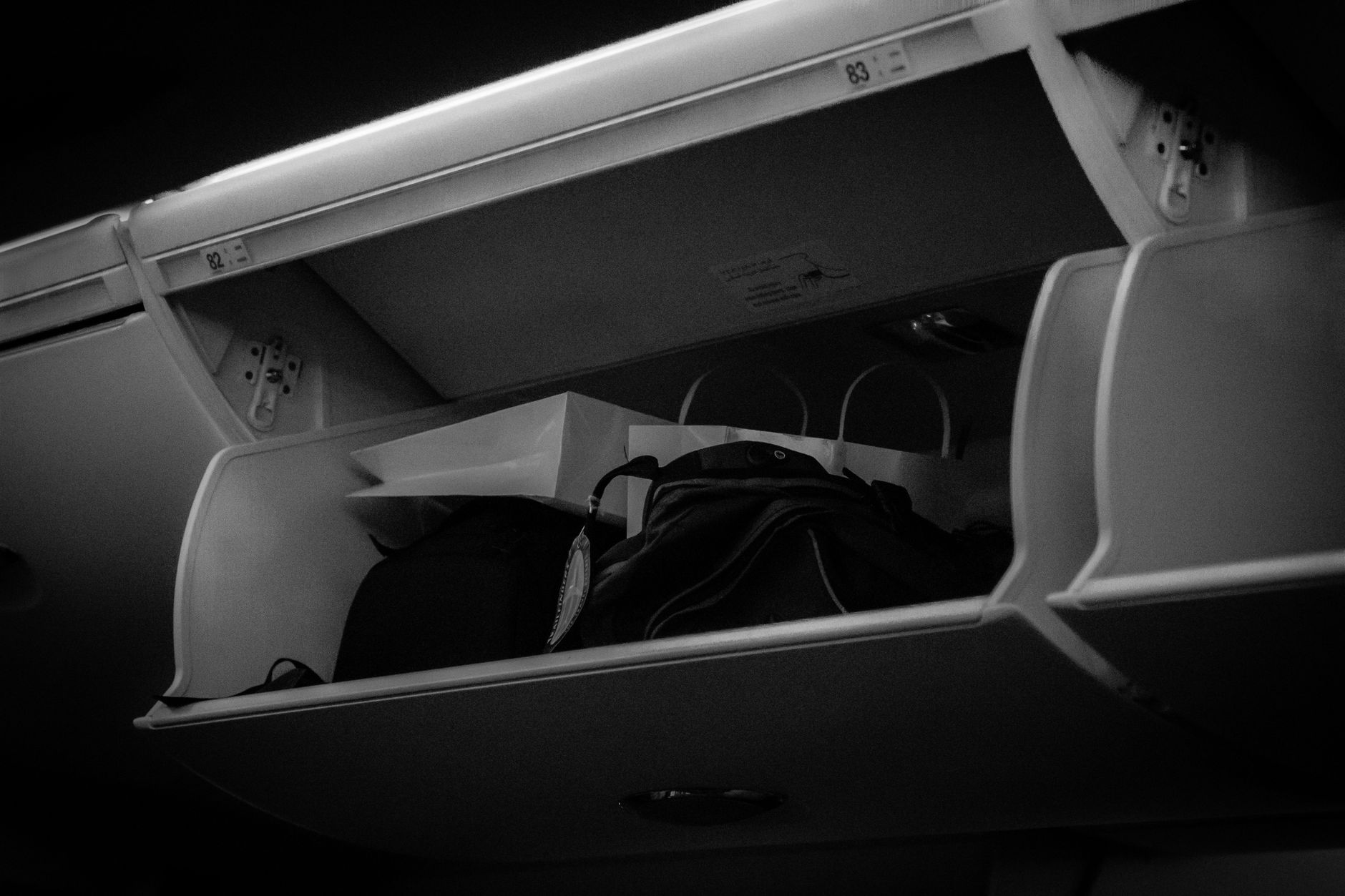
Every airline publishes a carry-on size limit. But here’s the thing — enforcement is wildly inconsistent. Some airlines measure at the gate on busy routes. Others barely glance at your bag. That doesn’t mean you should push your luck, but it does mean you should understand the difference between the hard rules and the soft ones.
The real risk zone? Weight limits on budget carriers. Airlines like Ryanair, Spirit, or Flair charge steeply for bags that exceed their limits — sometimes more than the flight itself. Check the specific weight allowance for your route, not just the airline’s homepage. And always weigh your bag at home before you leave.
A simple digital luggage scale takes the guesswork out completely. Clip it to the handle, lift, and you’ll know exactly what you’re working with. No surprises at check-in. No scrambling to move things to your personal item at the counter.
Step 2: Stop Folding, Start Using a System
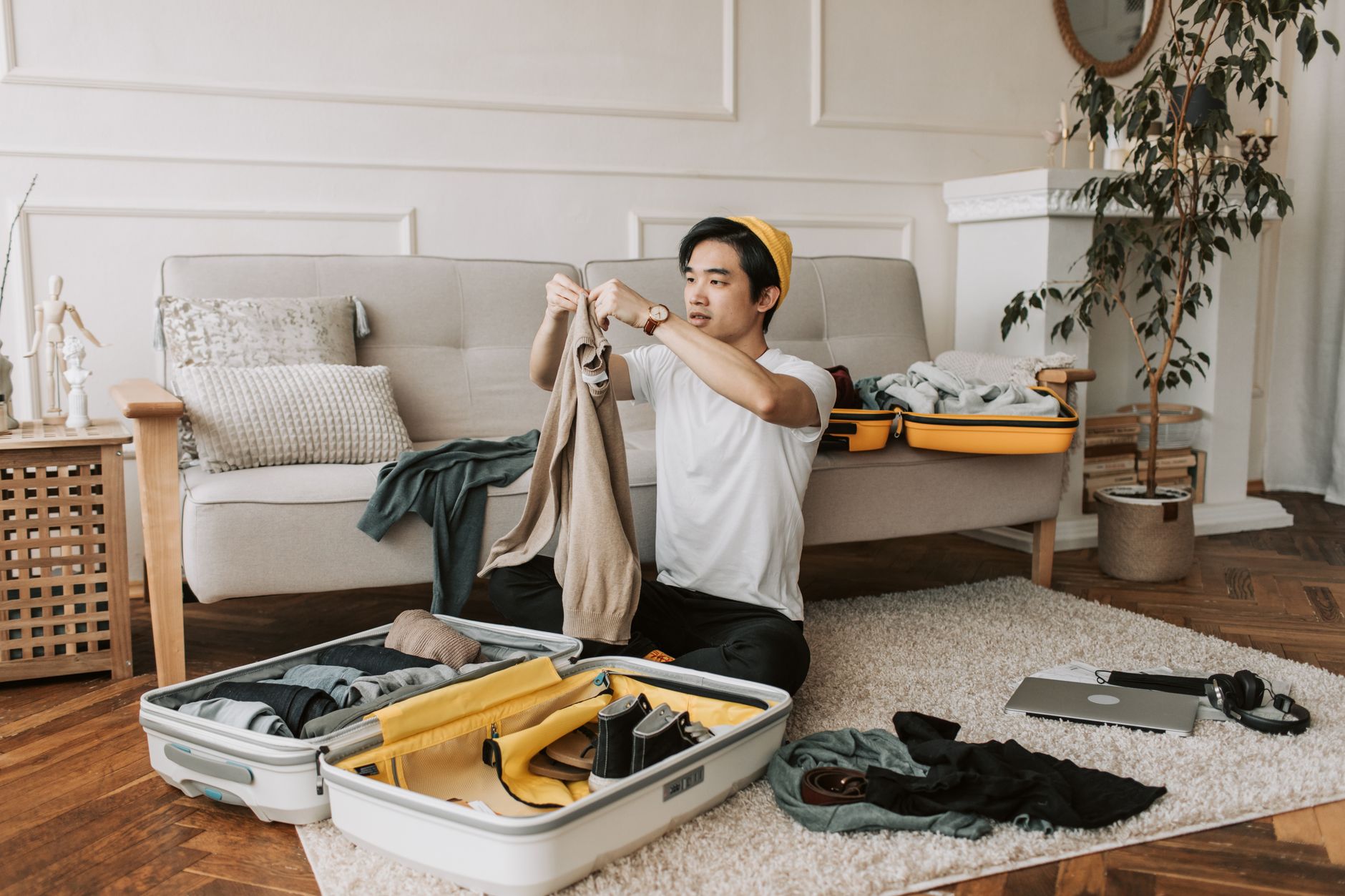
Folded clothes are the enemy of a well-packed bag. They shift, wrinkle, and waste space. The most effective travellers use one of two methods — rolling or the bundle method — and they use packing cubes to keep everything contained.
Here’s what this looks like in practice:
- Roll everything soft — t-shirts, jeans, underwear, socks. Rolling compresses better than folding and makes items easier to slot in.
- Bundle-wrap structured pieces — blazers, button-downs, dresses — to reduce creases.
- Use packing cubes to segment your bag — one cube for tops, one for bottoms, one for gym wear or sleepwear. When you arrive, you unzip a cube, not your entire suitcase.
The Compressible Packing Cubes from Better Travels are a solid option here — they compress down to reduce bulk, which means more room for the stuff that actually matters. Available on Amazon Canada and Amazon US. If you’ve ever repacked your bag three times before a trip (guilty), this kind of structure changes everything.
Step 3: Use Every Cubic Inch of Your Bag — Including the Dead Space
Most travellers pack the main compartment and call it done. Experienced packers see a bag in three dimensions.
- Stuff socks inside your shoes before packing them. That hollow space is wasted otherwise.
- Fill the perimeter gaps — the oddly shaped spaces around your packing cubes — with flat items like belts, a foldable tote, or your travel umbrella.
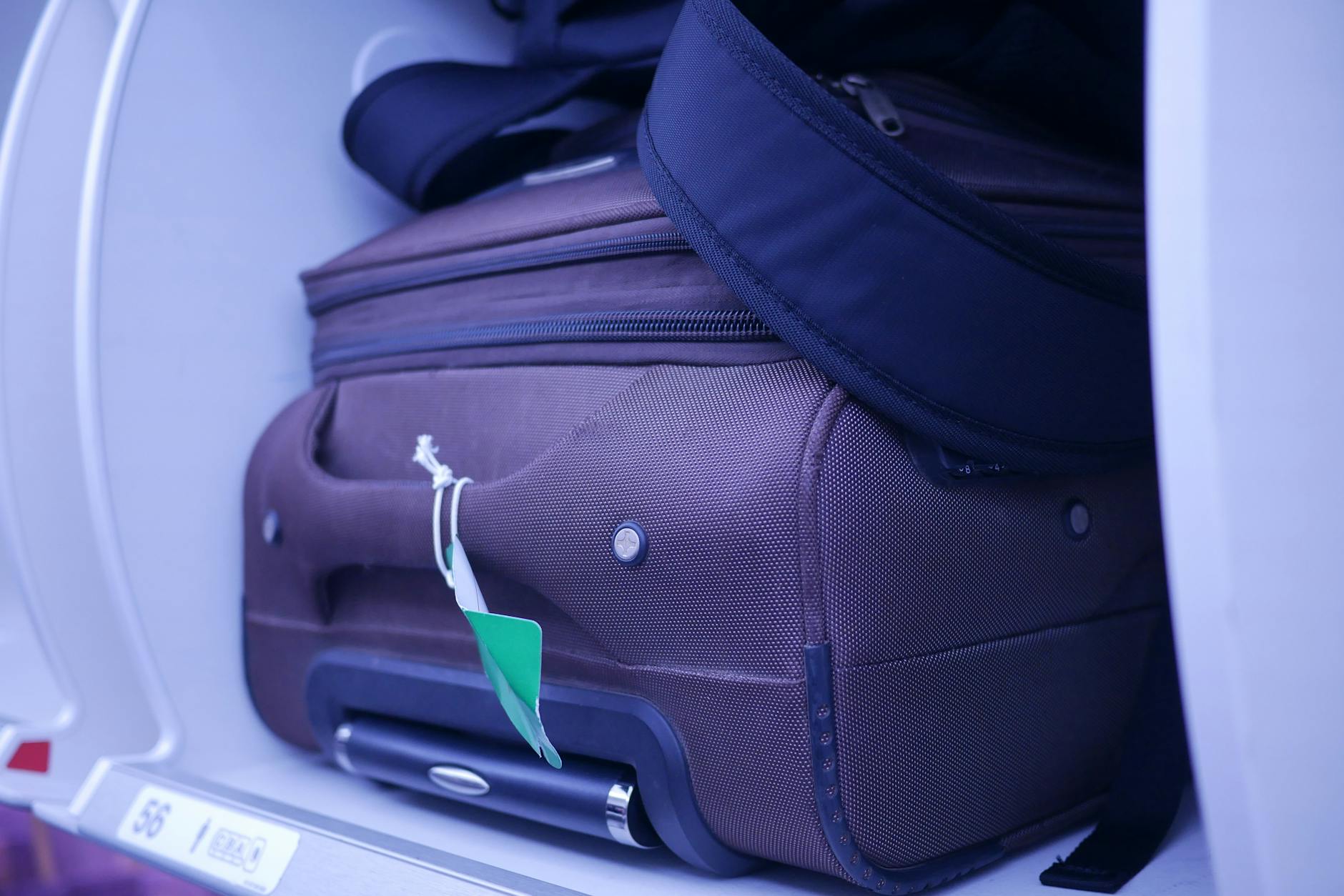
- Use your personal item (purse, laptop bag, or backpack) strategically. Heavy items like your laptop, book, or water bottle should go here — not in your carry-on. This keeps your carry-on lighter and frees up soft-item space inside it.
Think of your bag like a puzzle, not a hamper. The goal is zero wasted space — especially vertical space near the top of your bag, which most people leave empty.
Step 4: Apply the 5-4-3-2-1 Rule (Or a Version of It)
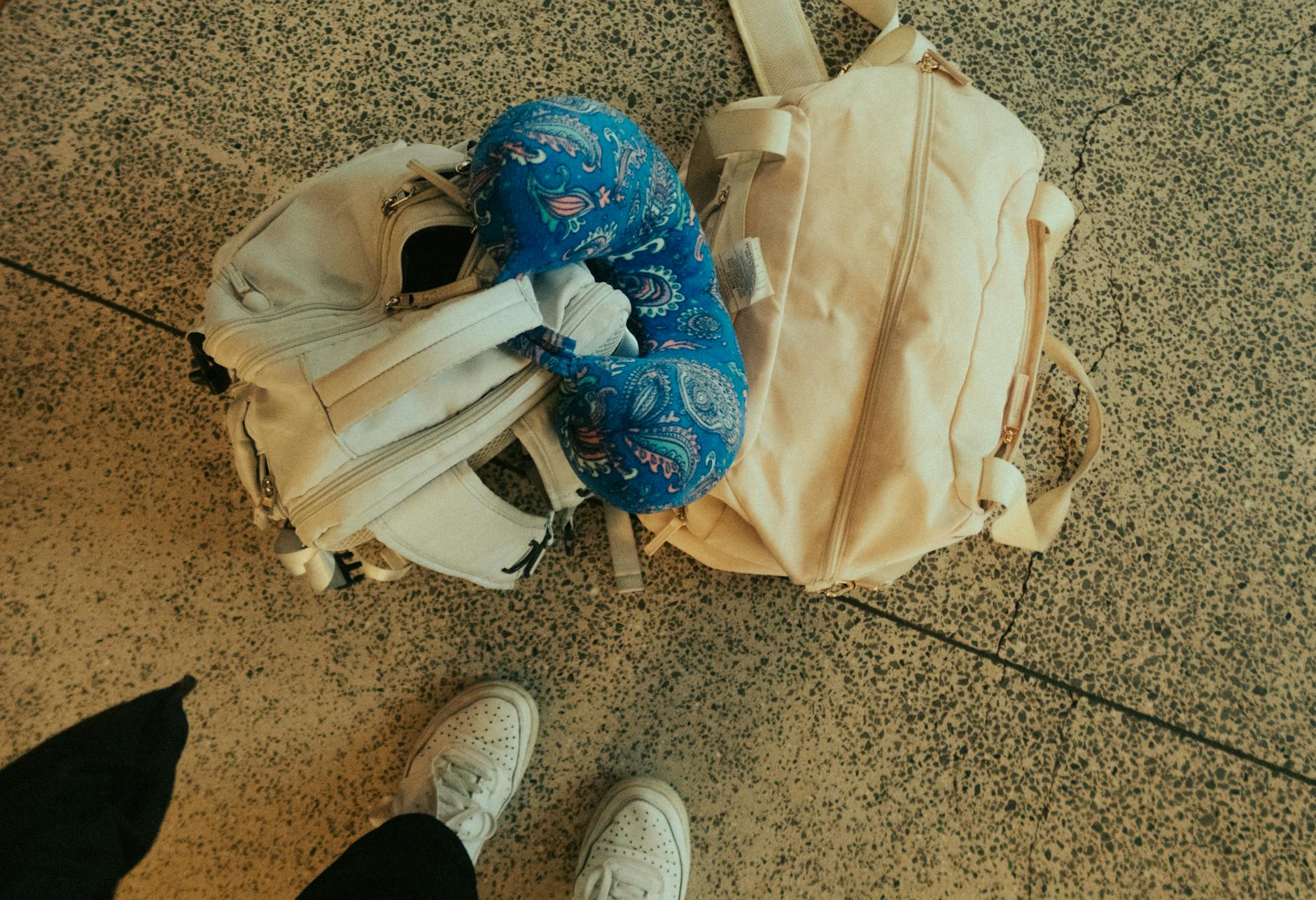
For a week-long trip, many carry-on-only travellers swear by a formula like this:
- 5 pairs of socks and underwear
- 4 tops (mix of casual and one smarter option)
- 3 bottoms (pants, shorts, or skirts that mix and match)
- 2 pairs of shoes (one walking, one versatile)
- 1 light jacket or layer
This isn’t a rigid law — it’s a starting framework. The point is to build a capsule wardrobe where every item works with everything else. If you can’t wear something in at least two outfit combinations, reconsider packing it.
Planning your packing around your actual itinerary makes this even easier. Check out How to Pack Based on Your Itinerary for a deeper look at how to match your clothes to your real plans rather than imaginary scenarios.
Step 5: Master the Airport Security Routine Before You Get There
Here’s a packing hack that has nothing to do with what’s in your bag — it’s about how your bag is organised for the security line. Pack your security items so you never have to dig:
- Liquids bag at the top of your personal item — not buried under your laptop.
- Laptop in the outer sleeve or a dedicated pocket — ready to come out instantly.
- Shoes and belt that slip off and on quickly — especially on domestic flights where you may not have TSA PreCheck or NEXUS.
This sounds obvious, but the number of people unpacking their entire bag at the security bin tray is genuinely surprising. Five minutes of prep before you leave the house saves ten minutes of stress at the airport.
Pro Tips: What Frequent Flyers Know That You Don’t
Your Personal Item Is Underused Real Estate
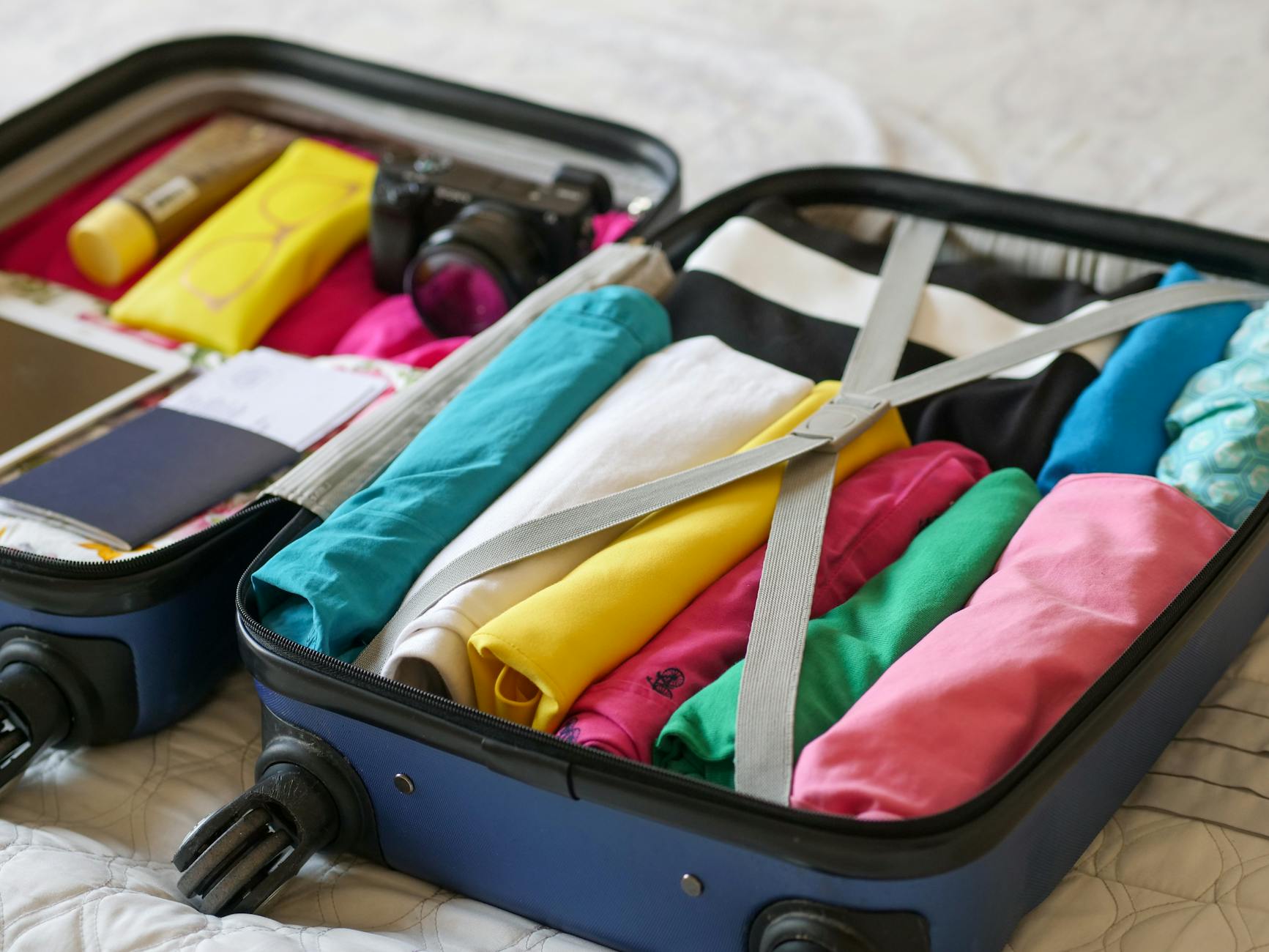
Airlines measure your carry-on at the gate. They almost never measure your personal item. A well-chosen personal item — a structured backpack, a large tote, a laptop bag — can carry as much as a small carry-on if packed smartly. This is where your heaviest items go. It also gives you easy access on the plane without going into the overhead bin.
Wear Your Bulkiest Items on the Plane
That winter coat, your heaviest jeans, your thickest-soled boots — these don’t need to be in your bag. Wear them through the airport. Layer a cardigan under your jacket. This frees up enormous space in your carry-on and keeps you under weight limits. You can stow your coat in the overhead bin once you board.
Pack for the Return Trip Too
Most people pack until their bag is full. Smart travellers pack with 20% space left intentionally. That buffer is for souvenirs, shopping, or just the reality that clean laundry takes up more space than it did when you packed it dirty. No one wants to ship a box of gifts home because they over-packed on day one.
Common Pitfalls: Mistakes That Catch Travellers Off Guard
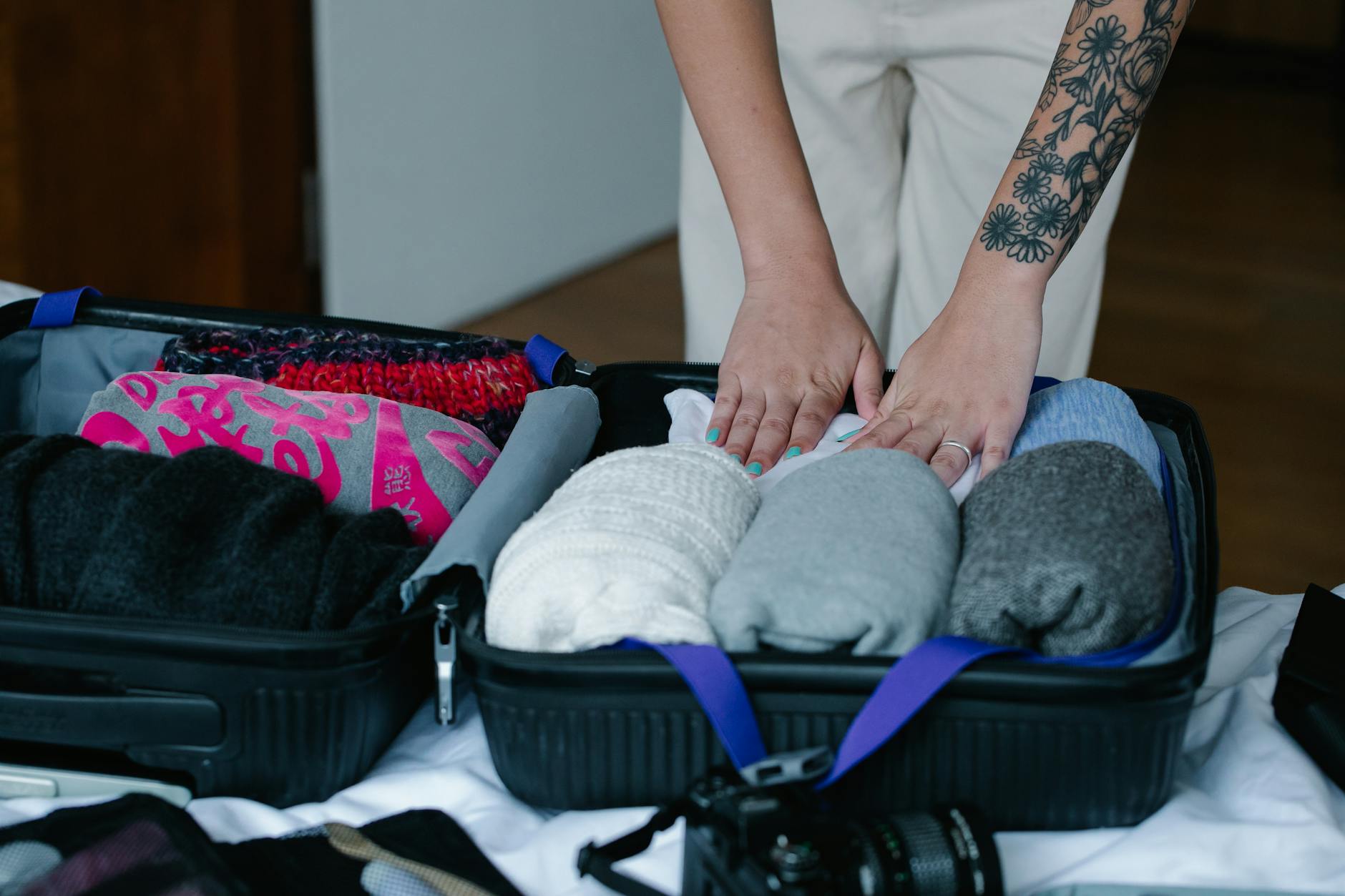
Pitfall 1: Trusting Last Trip’s Bag Policy for This Trip
What happens: You flew the same airline six months ago and remember the weight limit being 10kg. You pack accordingly — only to find the limit on your current budget fare is 7kg, or zero (checked only).
The fix: Look up the specific fare class and route for this booking before you pack. Budget carriers in particular tie baggage allowance to fare tier, and the cheap base fare often includes no carry-on at all.
Pitfall 2: Packing “Just in Case” Instead of “Most Likely to Need”
What happens: You pack a formal outfit for a “just in case” dinner. You pack a first aid kit with 12 items for a city trip. You pack an extra pair of shoes “in case.” None of it gets used, and now your bag is overweight.
The fix: Ask yourself, “Have I needed this in the last three trips?” If the answer is no, leave it. Most cities have pharmacies. Most hotels have irons. Pack for the trip you’re actually taking, not a worst-case scenario.
Pitfall 3: Treating Your Carry-On Like a Checked Bag
What happens: Your carry-on is massive, jam-packed, and technically meets the size limit — but it weighs 12kg. You get flagged at the gate, forced to check it, and charged a fee you didn’t budget for.
The fix: Target 7–8kg for your carry-on even if the limit is higher. This gives you a buffer, keeps your back happy, and means your bag fits in the overhead bin without a fight. Use compressible packing cubes to make the most of your space without overstuffing.
Better Travels Tip
💡 Better Travels Tip: Weigh Before You Go, Not at the Airport
The most expensive packing mistake is finding out your bag is overweight at the check-in counter. A luggage scale at home costs a fraction of one overweight baggage fee — and it takes ten seconds to use. Weigh your bag packed, then weigh it again after you add your toiletry bag, shoes, and chargers. Those last-minute additions add up fast. Once you know your real packed weight, you can adjust before it costs you anything.
Conclusion: Carry on. Never Check.
The packing hacks airlines don’t tell you aren’t secrets — they’re just habits that frequent travellers have built over time. Know your real weight limits. Use a system. Fill every inch of your bag deliberately. Wear your bulk. And always leave room for the return trip. None of this requires expensive gear or hours of prep — it just requires doing it intentionally.
If you’re ready to take your packing system to the next level, start with Minimalist Travel Planning Guide — it’s the natural next step for anyone who wants to travel lighter without sacrificing comfort.
Pick one hack from this list and use it on your next trip. That’s it. The best packing tip is the one you’ll actually use.
About the Author

Alex W.
Alex has been writing about travel logistics since 2019, with a focus on packing strategy and carry-on-only travel. When he’s not optimizing his airport routine, he’s probably repacking his bag for the third time this week.
