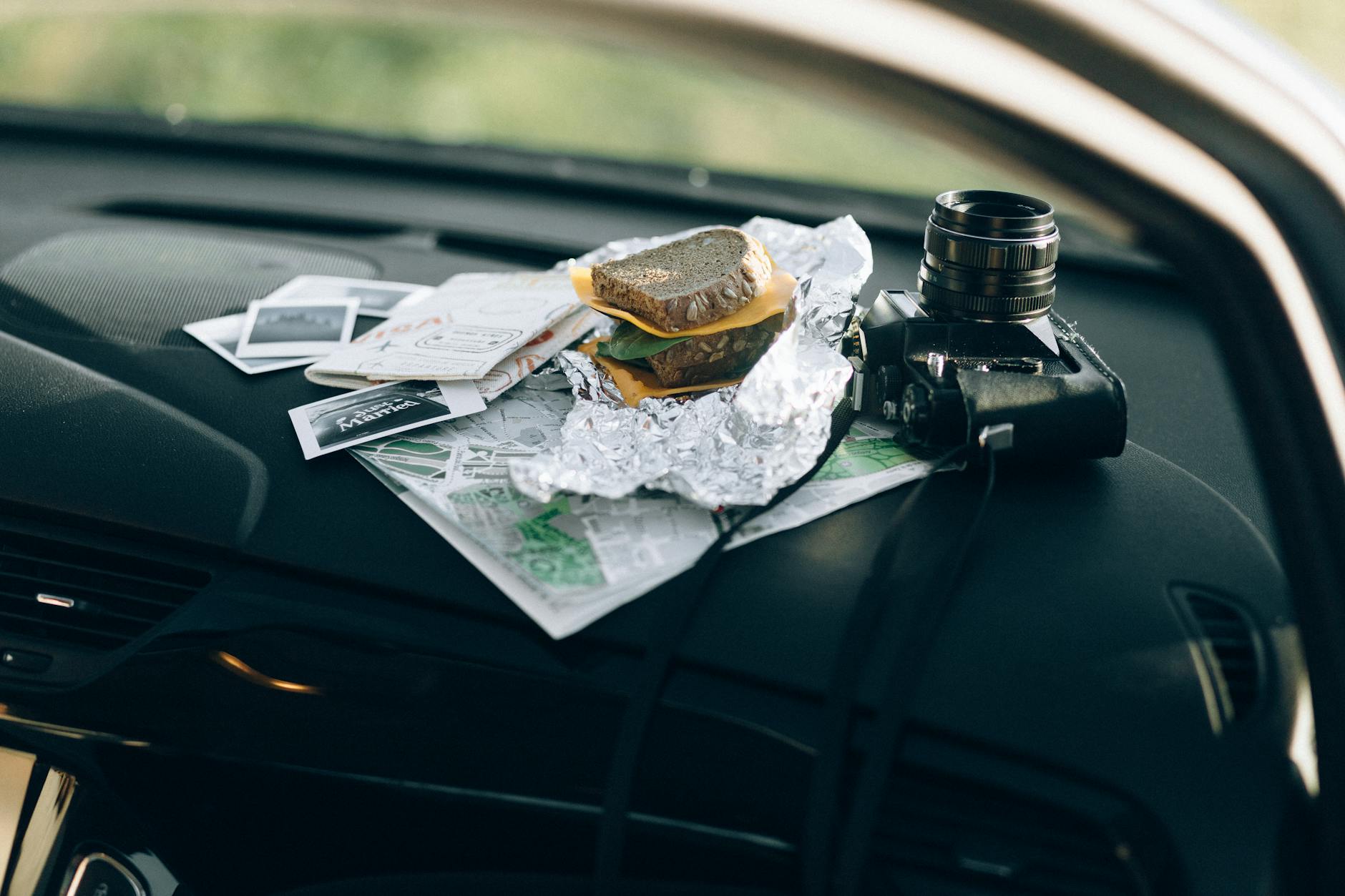
The Road Trip Snack Packing Guide You Actually Need
You’re two hours into a six-hour drive. Someone in the backseat is hungry. You pull over at a gas station and spend $18 on a bag of stale pretzels and a warm energy drink. Sound familiar? A solid road trip snack packing guide could have saved you that stop — and probably $15. Snack packing for road trips sounds simple until you’re dealing with melted chocolate, crushed crackers, and a cooler that’s soaking everything in an inch of water. This guide fixes all of that.
Whether you’re heading out on a weekend getaway with the family or a solo cross-country drive, having the right snacks — packed the right way — makes the whole trip better. Let’s get into it.
What to Know Before You Start Packing Snacks
Before you grab a grocery bag and start tossing things in, think about three things: trip length, who’s eating, and your storage setup. A two-hour drive needs totally different prep than a two-day cross-country haul. Kids have different needs than adults. And if you don’t have a cooler, your snack options narrow quickly.
Here’s a simple way to think about it:
- Under 3 hours: Shelf-stable snacks only. No cooler needed.
- 3–6 hours: Mix of shelf-stable and soft cooler items. One snack stop optional.
- 6+ hours or multi-day: Full cooler setup, structured snack zones, and a resupply plan.
Once you know your trip profile, the rest of this guide falls into place.
The Road Trip Snack Packing Guide: 8 Snack Categories That Actually Work
1. Crunchy, Salty Snacks
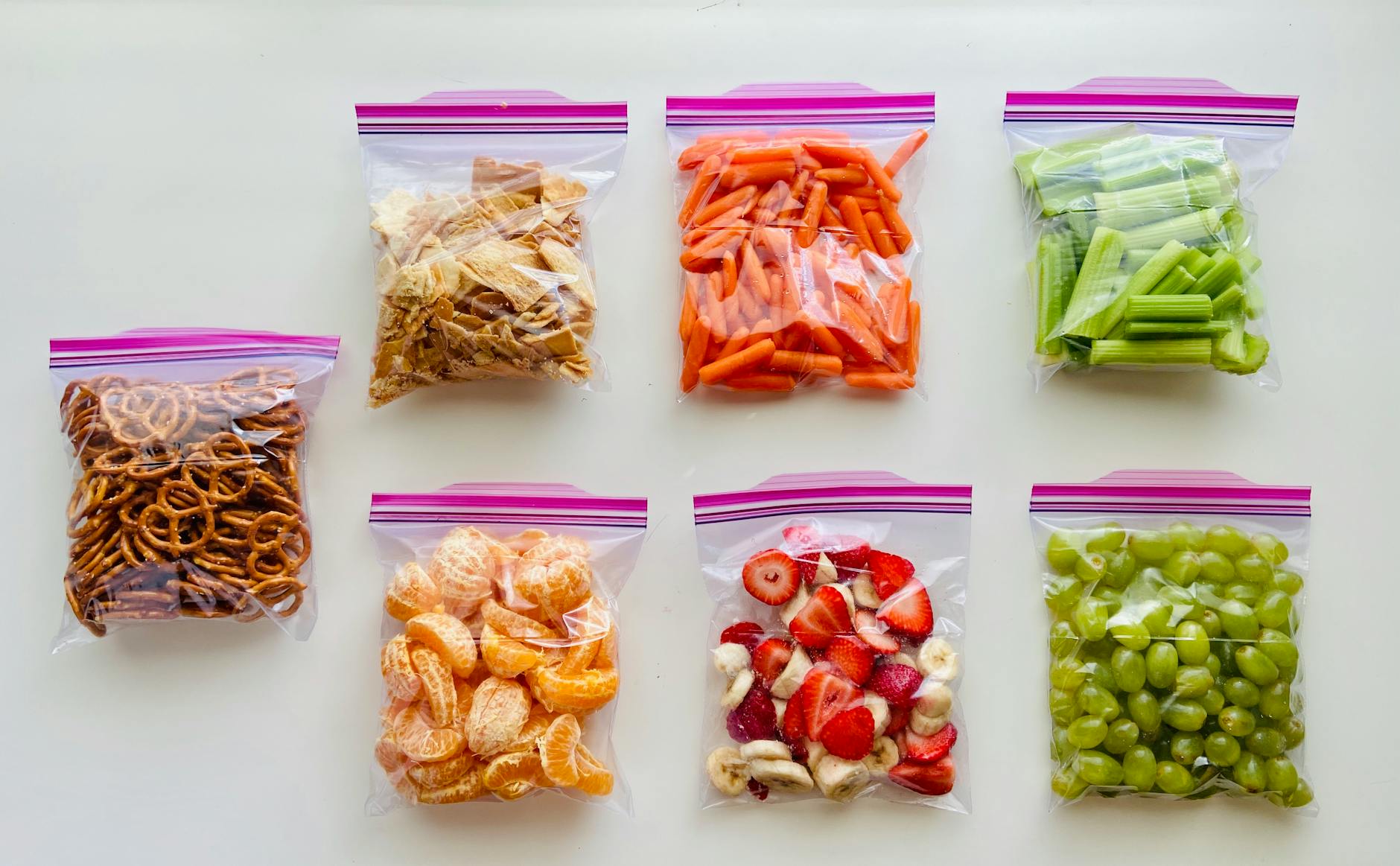
What it is and why it’s here: Pretzels, crackers, rice cakes, popcorn, trail mix — the classics. These snacks are satisfying, easy to eat while driving, and don’t require refrigeration. They’re the backbone of any road trip snack setup.
Best for: Everyone. Seriously, this category works for solo drivers, families, and even picky eaters.
One actionable tip: Pre-portion salty snacks into small zip-lock bags or reusable snack pouches before you leave. Passing around a full-size bag of chips while driving is a recipe for crumbs everywhere — and a distracted driver.
2. Fresh Fruit and Vegetables
What it is and why it’s here: Grapes, apple slices, baby carrots, celery sticks, cucumber rounds. Fresh produce keeps people feeling good on long drives and balances out the heavier snacks. It also keeps kids from getting that sugar-crash meltdown two hours in.
Best for: Families, health-conscious travellers, and anyone doing a multi-day drive.
One actionable tip: Wash and cut everything at home. Put it in sealed containers, not plastic bags, to avoid bruising. Grapes and baby carrots are low-maintenance — no cutting required.
3. Protein-Packed Snacks
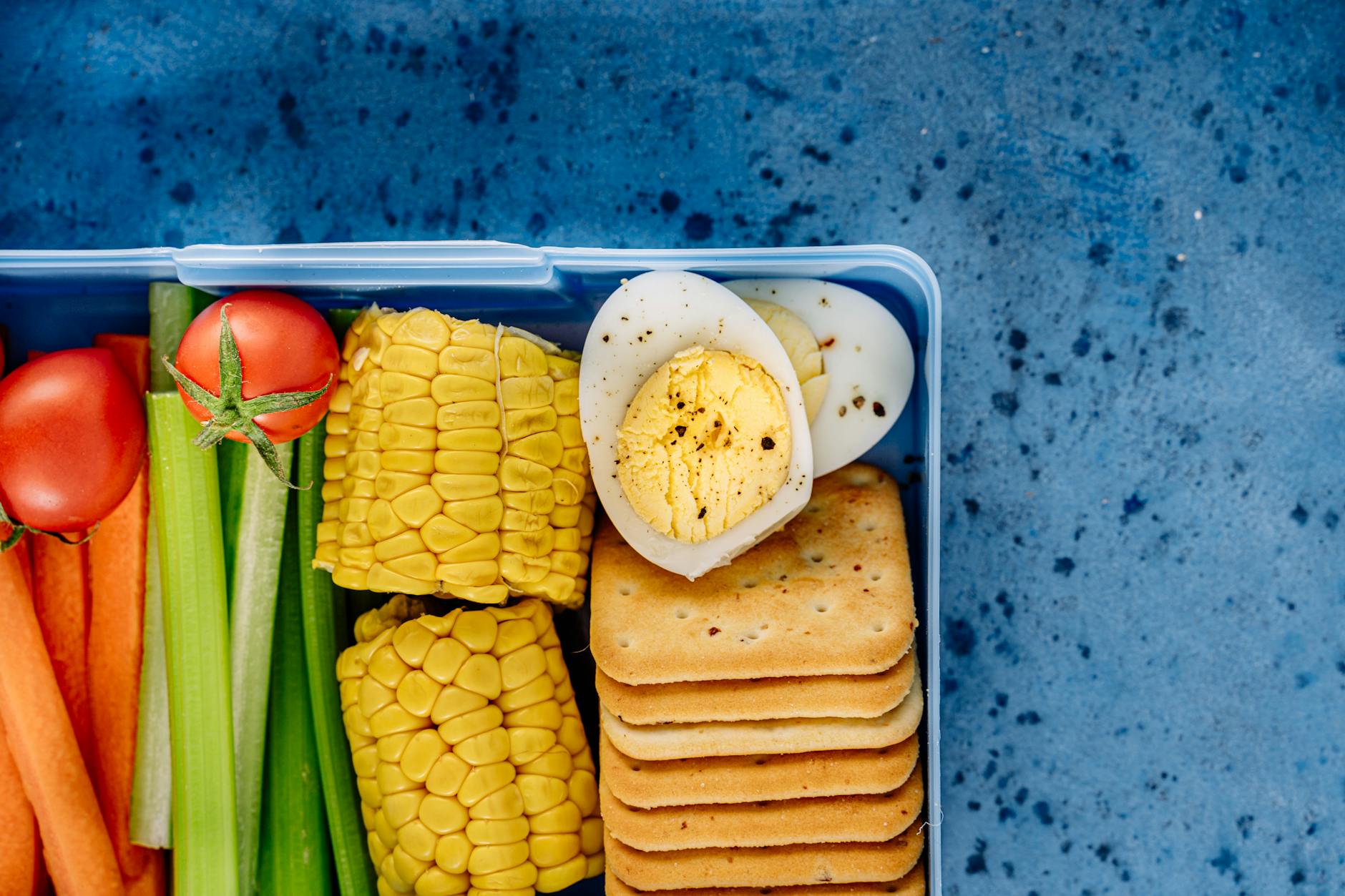
What it is and why it’s here: Beef jerky, string cheese, hard-boiled eggs, nut butter packets, protein bars, roasted chickpeas. Protein keeps you fuller longer, which means fewer stops and less snack-grazing. This is the category most people forget — and the one they regret skipping.
Best for: Anyone doing a long-haul drive, solo travellers who don’t want to stop for fast food, and adults who crash hard on sugar alone.
One actionable tip: Pack at least one protein item per person per four hours of driving. Beef jerky and nut butter packets are the easiest because they don’t need refrigeration. String cheese and hard-boiled eggs go in the cooler.
4. Sweets and Treats
What it is and why it’s here: Chocolate, gummy bears, granola bars, cookies, dried fruit. Let’s be real — road trips and treats go together. The trick is packing smarter so you don’t end up with melted chocolate all over your seats.
Best for: Kids and anyone who deserves a little reward for being on the road.
One actionable tip: Avoid milk chocolate in summer — it melts fast. Go for dark chocolate, gummies, or individually wrapped granola bars. Store them in a shaded bag away from direct sunlight.
5. Drinks and Hydration
What it is and why it’s here: Water bottles, sparkling water, sports drinks, juice boxes for kids. Staying hydrated is one of the most overlooked parts of a long drive. Dehydration causes fatigue and headaches — two things you don’t want behind the wheel.
Best for: Everyone, no exceptions.
One actionable tip: Freeze one or two water bottles the night before. They’ll stay cold for hours and double as cooler ice packs. Bring a reusable bottle for the driver — something with a lid and a handle for one-handed sipping.
6. Easy Meal Replacements
What it is and why it’s here: Sandwiches, wraps, or meal bars that can replace a proper stop when you’re in the middle of nowhere. Skipping a sit-down meal saves 30–45 minutes per day on a long drive — that adds up fast.
Best for: Couples and solo travellers who want to minimize stops, or families who need to keep moving on a tight schedule.
One actionable tip: Make wraps instead of sandwiches. They travel better, don’t get soggy as fast, and are easier to eat in the car without a mess. Pack them in foil and store them near the top of the cooler for easy access.
7. Kid-Specific Snacks
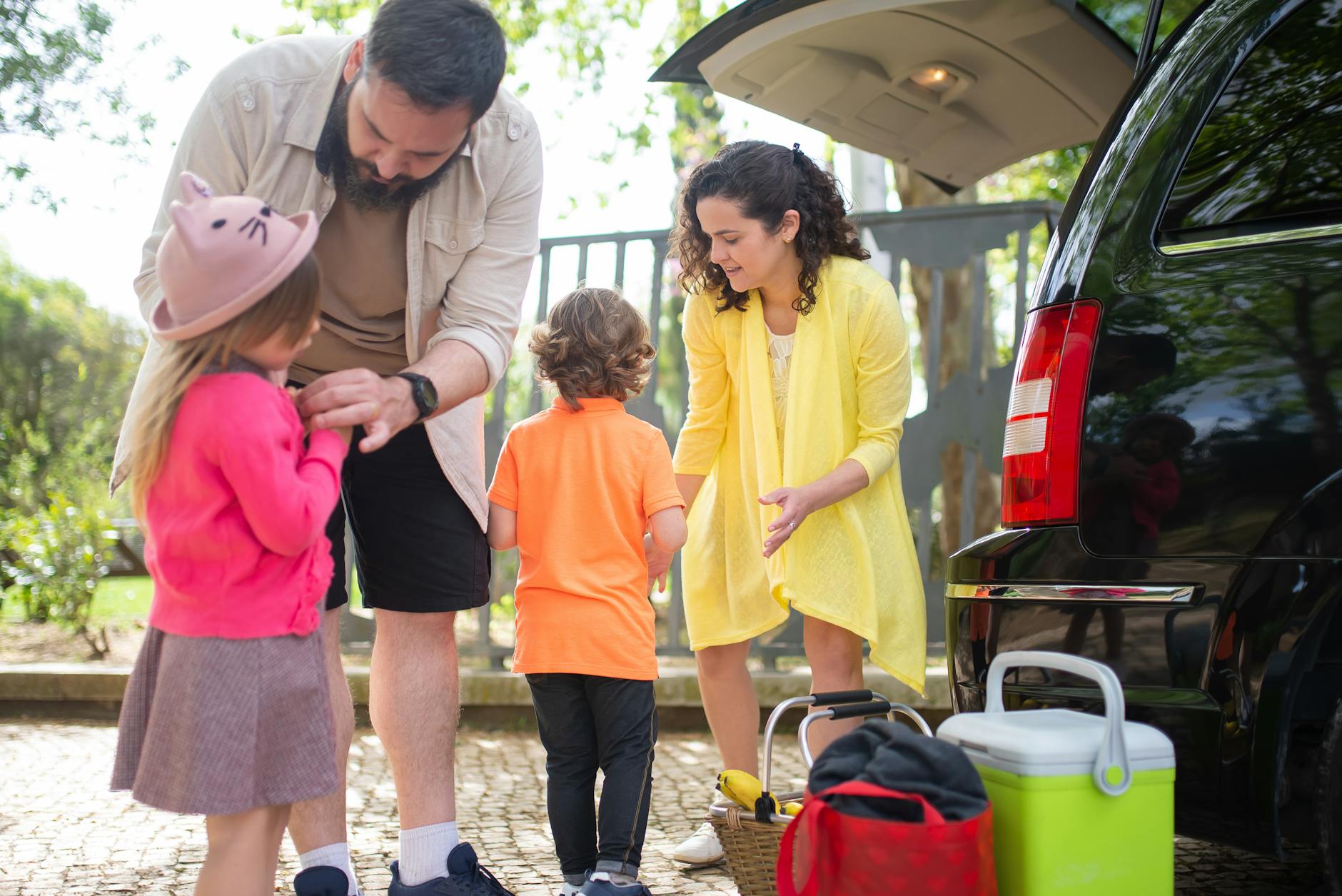
What it is and why it’s here: Goldfish crackers, squeeze pouches, mini rice cakes, fruit snacks, cheese crackers. Kids have their own snacking rhythm and their own preferences. Having a designated “kids’ snack bag” means less rummaging and fewer “I don’t want that” moments.
Best for: Any family with kids under 12.
One actionable tip: Pack a small bag or cube specifically for the kids and put it within reach of whoever is sitting with them in the back. This is where our Better Travels Compressible Packing Cubes come in handy — a small cube dedicated to kids’ snacks keeps everything sorted, compresses down to almost nothing, and means you’re not digging through a full bag at every rest stop.
8. Post-Drive Recovery Snacks
What it is and why it’s here: Electrolyte packets, nuts, dark chocolate, bananas, or a small meal prep container. After a long drive, your body needs recovery — not just more junk food. Having something real to eat when you arrive means you start your destination feeling good, not drained.
Best for: Anyone doing 5+ hours of driving in a single stretch.
One actionable tip: Pack these separately from your “road snacks” so they’re not eaten during the drive. Label the container or bag clearly. Arriving at a hotel or campsite with a proper snack waiting is a small thing that makes a big difference.
Quick-Reference Table: Road Trip Snacks by Category
| Snack Category | Best For | Cooler Needed? | Our Take |
|---|---|---|---|
| Crunchy, Salty Snacks | Everyone | No | Essential. Pre-portion to avoid mess. |
| Fresh Fruit and Vegetables | Families, health-focused | Yes (recommended) | Great energy, prep ahead of time. |
| Protein-Packed Snacks | Long-haul drivers | Depends on item | The most underrated category. Pack more than you think. |
| Sweets and Treats | Kids, adults who deserve a treat | No (avoid chocolate in heat) | Pack smart — avoid melt-prone items in summer. |
| Drinks and Hydration | Everyone | Yes | Non-negotiable. Freeze bottles for cold + ice pack combo. |
| Easy Meal Replacements | Couples, solo travellers | Yes | Wraps over sandwiches. Saves time and money. |
| Kid-Specific Snacks | Families with young kids | Sometimes | Separate bag = less chaos. Game changer for families. |
| Post-Drive Recovery Snacks | Long-haul drivers | Yes | Keep these separate and untouched during the drive. |
How We Chose These Categories
This road trip snack packing guide was built around three questions: Does it keep people satisfied on a long drive? Is it practical to pack and access in a moving vehicle? And does it actually reduce stress instead of adding to it?
We ruled out anything that requires cooking, reheating, or complex prep. We also skipped trendy snacks that sound good in theory but fall apart (literally) in a car. Every category here is based on what works in real road trip conditions — not just what looks good in a picnic spread.
⭐ Better Travels Tip
Use a packing system for snacks, not just a grocery bag. Most road trip snack disasters come from bad organization — everything loose in one bag, nothing accessible, everything crushed. Try assigning a “zone” to each snack type: one bag for dry snacks, one for cooler items, one for kids. If you’re already using packing cubes for your clothes, the same logic applies here. Our Better Travels Compressible Packing Cubes are designed to keep things separate and easy to grab — available on Amazon Canada and Amazon US. The same cube you used to organize shirts on the flight home works beautifully as a dry snack organizer in the trunk. Better gear, simpler trips.
The Bottom Line: Build Your Road Trip Snack Kit for Your Trip Type
There’s no single perfect road trip snack list — the best one is the one that fits your trip. Here’s a quick summary to help you decide what matters most for your situation.
- Short trips (under 3 hours): Focus on crunchy snacks, drinks, and one sweet treat. Skip the cooler unless it’s a hot day.
- Family road trips: Build a separate kids’ snack bag, add fresh fruit and veggies, and pack a meal replacement option to skip a chaotic restaurant stop.
- Long-haul drives (6+ hours): Prioritize protein, bring a real cooler, pack meal replacements, and don’t forget recovery snacks for when you arrive.
The best packing tip is the one you’ll actually use. Start with one or two categories from this guide and build from there. You don’t need to overhaul everything before your next trip — just add a protein option and pre-portion your dry snacks. That alone will make the drive noticeably better.
And if you’re planning the rest of your trip, make sure you check out The Ultimate Travel Planning Checklist — it covers everything from gear to booking so you’re not scrambling the night before. If you’re figuring out the overall plan, How to Plan a Trip in 30 Minutes (Step-by-Step System) is the fastest way to pull it all together.
Pack once, travel twice.
About the Author

Alex W.
Alex has been writing about travel logistics since 2019, with a focus on packing strategy and carry-on-only travel. When he’s not optimizing his airport routine, he’s probably repacking his bag for the third time this week.
