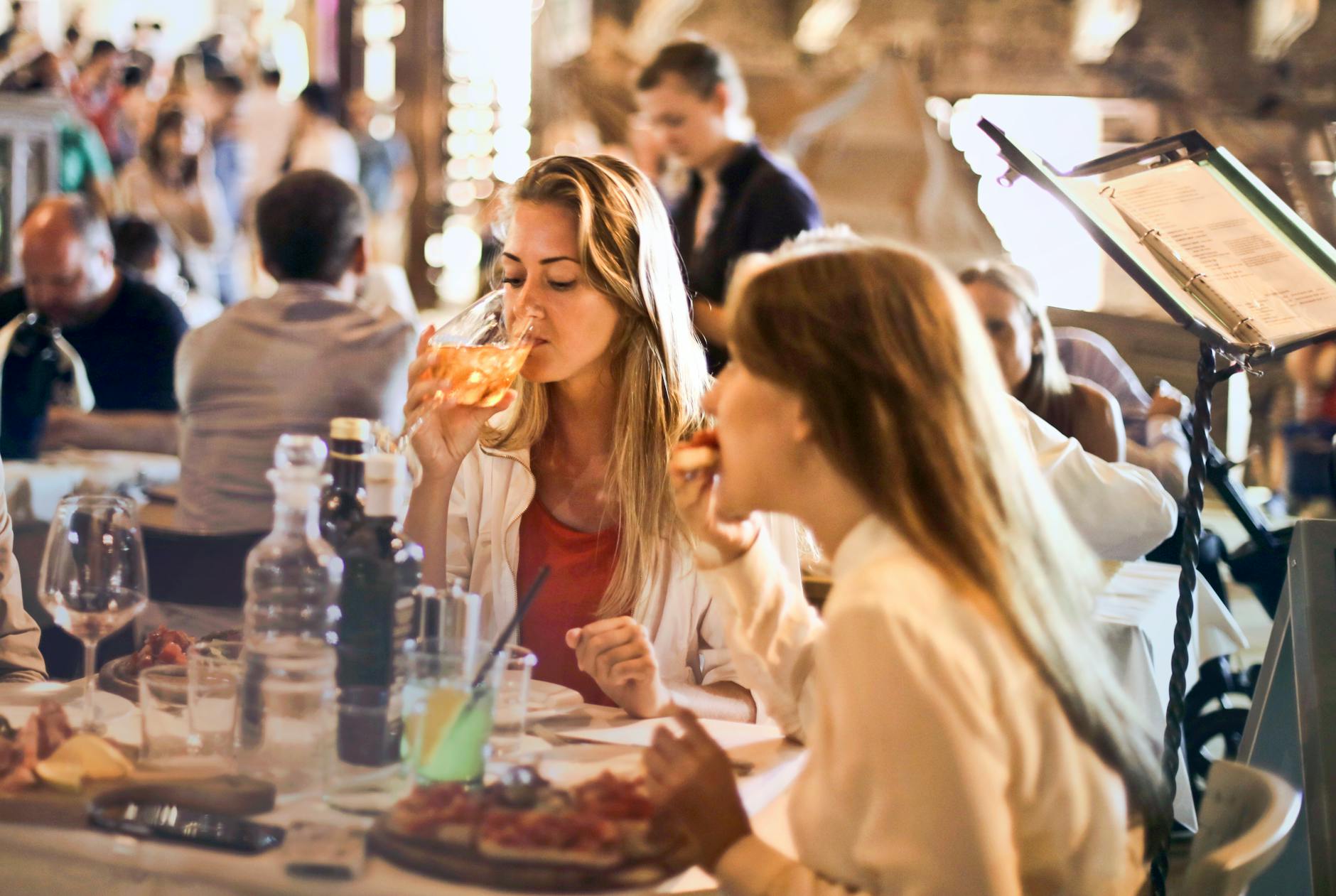
Best Restaurant Tips While Traveling: Eat Better, Stress Less, and Never Waste a Meal
You’ve landed, checked in, and you’re starving. You open your maps app, search “restaurants near me,” and end up staring at 200 options with no idea where to start. Sound familiar? Finding great food while traveling is one of those things that sounds easy until you’re actually doing it — tired, hungry, and overwhelmed in an unfamiliar city. These are the best restaurant tips while traveling that actually save you time, money, and disappointment.
This isn’t a list of vague advice like “ask a local.” It’s a practical breakdown of what works — whether you’re solo, traveling with family, on a quick business trip, or exploring a new city with your partner. Let’s get into it.
What to Know Before You Start Restaurant Hunting
The biggest mistake travelers make is treating restaurant choices as an afterthought. You’re tired after a full day of sightseeing, you make a rushed decision, and you end up at a tourist trap paying double for mediocre food. A little planning goes a long way.
The best restaurant tips while traveling all share one thing in common: they reduce decision fatigue. The goal is to have a short list of solid options before hunger hits, not scramble from scratch when you’re already running low on energy.
Here’s how to approach it, from research to the table.
The Best Restaurant Tips While Traveling (Ranked and Explained)
1. Research Before You Land — Not After You’re Hungry
What it is and why it’s here: Pre-trip restaurant research takes five minutes and saves hours of frustration on the ground. When you’re in trip-planning mode, you’re calm and rational. When you’re hungry and tired in a foreign city, you’re not.
Who it’s best for: Everyone — but especially families with kids and travelers on tight itineraries where mealtime can derail the whole day.
Actionable tip: Build a short “eats list” of 5–7 restaurants in the neighborhoods you’ll be visiting. Save them to Google Maps offline so they’re accessible without data. You want variety — a sit-down spot, a casual lunch option, and a quick bite fallback for each area.
If you’re the kind of traveler who likes to plan everything before the trip, check out How to Build a No-Stress Travel Itinerary — it includes a section on blocking time for meals so you’re not scrambling at 7pm.
2. Use Multiple Apps — Not Just One
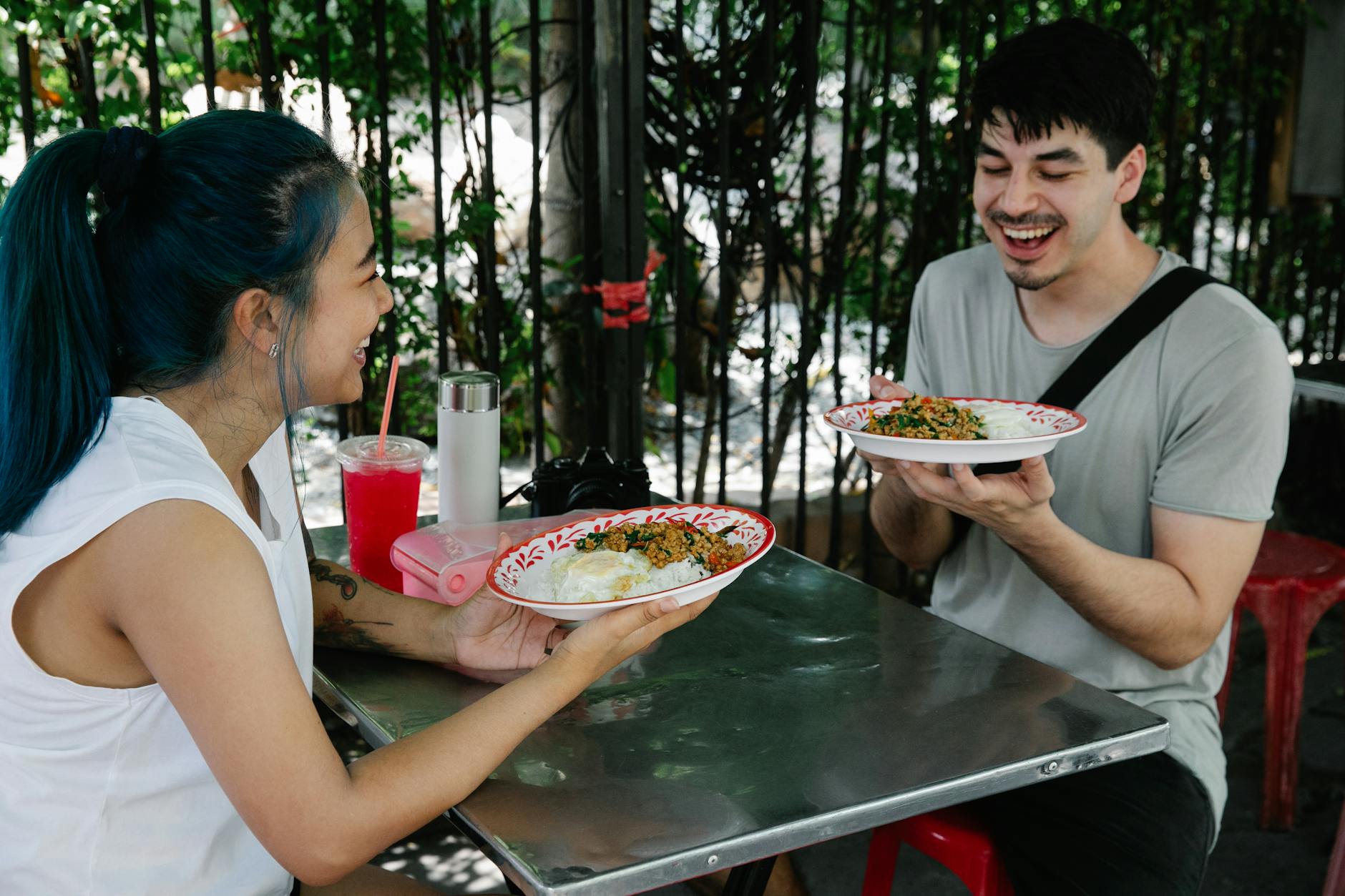
What it is and why it’s here: No single app has all the answers. Google Maps is great for discovery and hours. Yelp catches what Google misses in North America. TripAdvisor is useful for international spots. And for food-specific finds, Instagram and TikTok surface hidden gems that haven’t made it to the review sites yet.
Who it’s best for: Foodies, solo travelers, and anyone visiting a destination for the first time.
Actionable tip: Cross-reference at least two sources before committing. If a restaurant has strong ratings on both Google Maps and a local food blog, it’s a safe bet. If it only shows up on TripAdvisor with a wave of suspiciously generic five-star reviews, skip it.
3. Eat Where the Locals Eat — and Know How to Find Them
What it is and why it’s here: Locals don’t eat at the place with the photo menu and the guy standing outside waving you in. They eat where the food is good and the prices are fair. The tourist trap is almost always right next to a legitimately great local spot — you just have to look past the first row.
Who it’s best for: Budget-conscious travelers and anyone who wants an authentic experience over a sanitized tourist version of local cuisine.
Actionable tip: Walk one or two blocks away from the main square, main beach, or top attraction. Prices drop, quality often goes up, and the crowd shifts. Bonus tip: if the menu is only in the local language, that’s usually a very good sign.
4. Book Ahead for Dinner, Walk In for Lunch
What it is and why it’s here: Popular restaurants fill up fast, especially on weekends and in peak tourist season. But most people don’t want to pre-book every meal. The compromise? Reserve dinner at your one “can’t miss” spot per destination, and stay flexible for breakfast and lunch.
Who it’s best for: Couples celebrating a trip, travelers visiting during high season, or anyone with a specific restaurant on their bucket list.
Actionable tip: Use OpenTable, Resy, or the restaurant’s direct website to book 2–3 days in advance for popular spots. If you’re flexible on timing, a 5:30 or 9:00 PM reservation is almost always easier to land than 7:00 PM prime time.
5. Have a Backup Plan for Every Meal
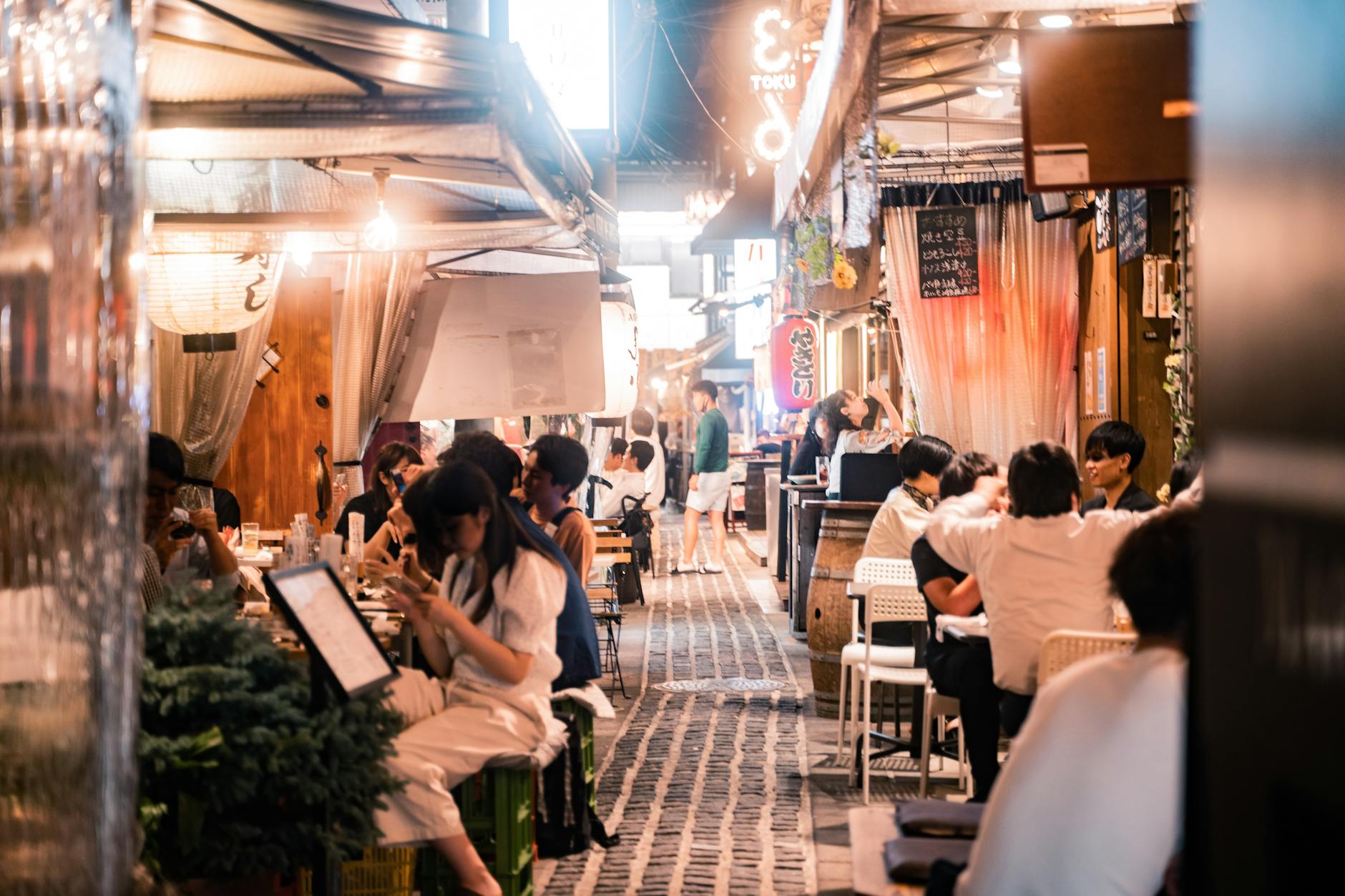
What it is and why it’s here: You showed up. It’s closed. Or it’s fully booked. Or it doesn’t look right when you get there. This happens to everyone, and the travelers who handle it best are the ones who already have option B ready to go.
Who it’s best for: Families, anyone traveling with picky eaters, and anyone who hates the “where do you want to eat?” spiral.
Actionable tip: When you’re building your eats list (see tip #1), always include a casual, no-reservation backup option nearby each planned restaurant. A solid local café, a market, or a noodle spot around the corner can save the meal — literally.
6. Understand Local Meal Times Before You Go
What it is and why it’s here: In Spain, dinner doesn’t start until 9 or 10 PM. In Japan, many lunch spots are only open from 11:30 AM to 2 PM and then close entirely until dinner. Showing up hungry at the wrong time is one of the most avoidable frustrations in travel eating.
Who it’s best for: International travelers and first-timers in a new country.
Actionable tip: Google “[country] meal times” before your trip. It takes 30 seconds and prevents a lot of hungry wandering. Adjust your schedule around local customs rather than expecting restaurants to match your home timezone habits.
7. Shop Local Markets and Pack Smart for Picnics
What it is and why it’s here: Some of the best food experiences while traveling aren’t in restaurants at all. Local markets, delis, and grocery stores offer incredible quality at a fraction of restaurant prices. A picnic in a park or on a scenic viewpoint beats a mediocre sit-down meal every time.
Who it’s best for: Budget travelers, families, and anyone visiting a destination with great outdoor spaces.
Actionable tip: Pick up local bread, cheese, fruit, and prepared foods at a market and make a meal of it. You’ll eat better, spend less, and discover foods you never would have ordered off a menu.
And here’s where smart packing intersects with smart eating: if you pick up a bottle of local wine at a market to bring home — or back to your hotel for that evening — the Better Travels Protective Wine Sleeve keeps it safe in your bag. No bubble wrap, no baggage claim anxiety. It’s one of those small travel wins that makes a big difference when you’re bringing something fragile back from a trip.
8. Learn Three Phrases in the Local Language
What it is and why it’s here: You don’t need to be fluent. You need to say “please,” “thank you,” and “do you have a menu?” in the local language. That’s it. The goodwill it generates with servers and restaurant owners is real and immediate.
Who it’s best for: All travelers, especially in non-English-speaking destinations.
Actionable tip: Use Google Translate’s offline download for the country you’re visiting. Pull it up at the table if needed. Most people respond warmly to the effort, even if your pronunciation isn’t perfect.
9. Watch Your Bag While You Eat — Especially in Busy Spots
What it is and why it’s here: Restaurants in tourist areas are a common spot for bag theft — especially outdoor terraces and crowded markets. Your whole trip is in that bag: passport, cards, phone, everything.
Who it’s best for: Solo travelers and anyone dining in high-traffic tourist areas.
Actionable tip: Keep your bag on your lap or loop the strap around your chair leg. Don’t hang it on the back of your chair. If you’re traveling light with a well-organized carry-on, you already know how much easier it is to keep everything close and accounted for. Better Travels Compressible Packing Cubes help you stay organized so that when you’re pulling your bag off your shoulder at a café, you know exactly where everything is — and you’ll notice immediately if something’s off.
10. Skip the Hotel Restaurant (Most of the Time)
What it is and why it’s here: Hotel restaurants are convenient, but they’re almost always overpriced and underwhelming. They exist for tired travelers who don’t want to go outside — and they charge accordingly.
Who it’s best for: Budget-conscious travelers, and anyone who wants to actually experience the local food scene.
Actionable tip: Make the hotel restaurant your last resort, not your default. The exception: hotel breakfast buffets in certain regions (Southeast Asia and some European destinations) are genuinely great value. Use your pre-trip research to know before you go.
Quick-Reference Table: Best Restaurant Tips While Traveling
| Tip | Best For | Effort Level | Our Take |
|---|---|---|---|
| Research before you land | All travelers | Low | Highest ROI of any tip on this list |
| Use multiple apps | First-timers, foodies | Low | Cross-referencing filters out tourist traps fast |
| Eat where locals eat | Budget travelers, food lovers | Low–Medium | Walk one block off the main strip — it works |
| Book dinner, walk in for lunch | Couples, peak season travelers | Low | Saves stress without over-scheduling your trip |
| Have a backup plan | Families, picky eaters | Low | The move that saves the most meltdowns |
| Know local meal times | International travelers | Minimal | 30 seconds of research, hours of frustration saved |
| Market picnics | Budget travelers, families | Medium | Often the best meal of the whole trip |
| Learn 3 local phrases | All travelers | Minimal | Surprisingly high impact for almost zero effort |
| Watch your bag | Solo travelers, tourist areas | Low | Stay organized — you’ll notice a problem faster |
| Skip the hotel restaurant | Budget-conscious, food explorers | Low | Almost always worth the five-minute walk outside |
How We Chose These Tips
These aren’t pulled from a generic travel blog template. Every tip here comes from real travel experience — the kind you accumulate after enough trips to know what actually makes a difference versus what sounds good in theory.
The criteria were simple:
- Practical and actionable: Every tip has a clear next step, not just a vague suggestion.
- Works across trip types: Whether you’re solo, with family, on business, or on vacation, these apply.
- Reduces stress and saves money: The best travel tips do both at the same time.
- Doesn’t require special skills or apps: No complicated systems. Just smart habits.
The goal of the best restaurant tips while traveling is always the same: less time stressing about food, more time actually enjoying it.
💡 Better Travels Tip: If you’re doing a market run or picking up local snacks and wine to bring home, pack smart before you go. A Better Travels Protective Wine Sleeve fits easily in your checked bag or carry-on and keeps fragile bottles safe without adding bulk. And if you’re ever worried your bag is getting too heavy from food souvenirs, the Better Travels Mobile Travel Scale lets you weigh your bag anywhere — hotel room, market, or curbside — so there are zero surprises at the airport. Better gear, simpler trips.
Conclusion: The Best Restaurant Tips While Traveling Come Down to One Thing
It’s not about finding the “perfect” restaurant. It’s about reducing the friction between you and a good meal — so you spend less time stressed and more time eating well.
Here are the top picks depending on what kind of traveler you are:
- If you’re a first-time international traveler: Start with tips 1, 6, and 8. Research before you land, learn local meal times, and pick up three phrases in the local language. Those three alone will change how your meals go.
- If you’re traveling with family: Tips 4 and 5 are your best friends. Book one dinner in advance, always have a backup, and your mealtime logistics will run a lot smoother.
- If you’re on a budget: Tips 3 and 7 are where to focus. Eat one block off the tourist strip and hit the local markets at least once. You’ll eat better and spend less than you would at most sit-down restaurants.
The best restaurant tips while traveling aren’t complicated — they just require a little intention before the trip starts. And if your trip planning could use the same treatment, The Ultimate Travel Planning Checklist is a great place to start. Or if you want a full system for putting a trip together without the overwhelm, How to Plan a Trip in 30 Minutes (Step-by-Step System) has you covered.
Pack once, travel twice — and eat well while you’re at it.
About the Author

Alex W.
Alex has been writing about travel logistics since 2019, with a focus on packing strategy and carry-on-only travel. When he’s not optimizing his airport routine, he’s probably repacking his bag for the third time this week.
