Packing for Business Travel: The Carry-On System That Actually Works
You’ve got an early flight, a full day of meetings, and exactly 45 minutes to pack. You throw in two shirts, then second-guess yourself and add three more. You roll your dress pants and stuff your toiletry bag into whatever gap is left. By the time you zip up, your bag weighs a ton and you’re still not sure you packed enough. Sound familiar? Packing for business travel shouldn’t feel like a crisis every single time — and with the right system, it won’t.
Quick Answer
The best way to pack for business travel is to build a lean, repeatable system around a carry-on bag. Choose versatile clothing, use packing cubes to stay organized, and stick to a pre-trip checklist. Once your system is in place, packing for a 3-day trip takes 20 minutes — not 2 hours.
What You’ll Need Before You Start
Before we get into the step-by-step, here’s what you’re working with. This guide assumes you’re taking a carry-on only — no checked bag. If that sounds impossible right now, stay with me. By the end, you’ll see why it’s actually the smarter move for business trips.
Here’s what you’ll need:
- A carry-on bag that fits standard airline overhead dimensions (typically 22″ x 14″ x 9″)
- A personal item bag (backpack or tote) for your laptop, documents, and daily essentials
- Packing cubes to separate and compress your clothing
- A clear toiletry bag for liquids (TSA/CATSA compliant, 1-quart size)
- A packing list — written down, not just in your head
This guide works best for trips up to 5 days. Longer trips are doable with the same system — you’ll just need to plan laundry into the equation.
Step-by-Step: How to Pack for Business Travel
Step 1 — Start With Your Itinerary, Not Your Closet
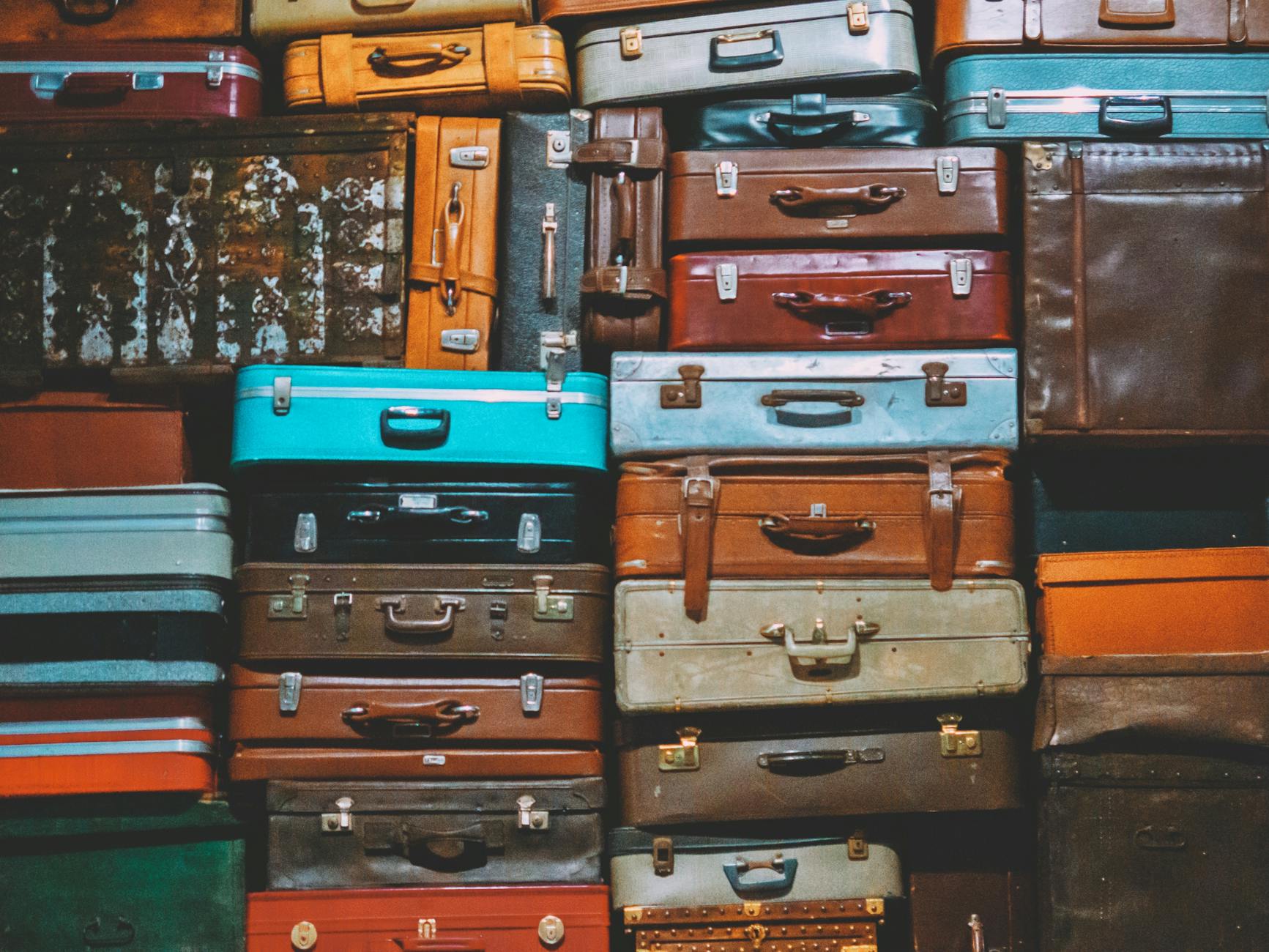
Most people walk to their closet and start grabbing. That’s how you end up with four pairs of pants for a two-day trip. Instead, open your calendar first.
Look at each day and ask: What am I actually doing? A client dinner requires different clothes than an internal workshop. Write down the activities — day one: flight + client lunch; day two: conference + networking dinner; day three: half-day meeting + flight home. Now you’re packing with a purpose instead of packing for every possible scenario.
For a deeper approach to this, check out How to Pack Based on Your Itinerary — it’s a solid companion to this guide.
Step 2 — Build Your Business Travel Capsule
A capsule wardrobe for business travel is a small set of pieces that all work together. The goal is mix-and-match flexibility, not outfit-by-outfit thinking.
Here’s a practical example for a 3-day trip:
- 2 dress shirts (one for meetings, one for dinner — both can re-wear with different pants)
- 1 casual button-up or smart polo (for travel days or informal settings)
- 2 pairs of dress pants or chinos (mix-and-match with all shirts)
- 1 pair of versatile shoes (dress shoes that are still walkable — your feet will thank you)
- 3 sets of underwear and socks
- 1 layer — a blazer or lightweight jacket that doubles as your “polished” piece
Stick to a neutral colour palette — navy, grey, black, white. Everything goes with everything, and you don’t need to think twice when you’re rushing to get dressed before a 7am call.
Step 3 — Use Packing Cubes to Organize and Compress
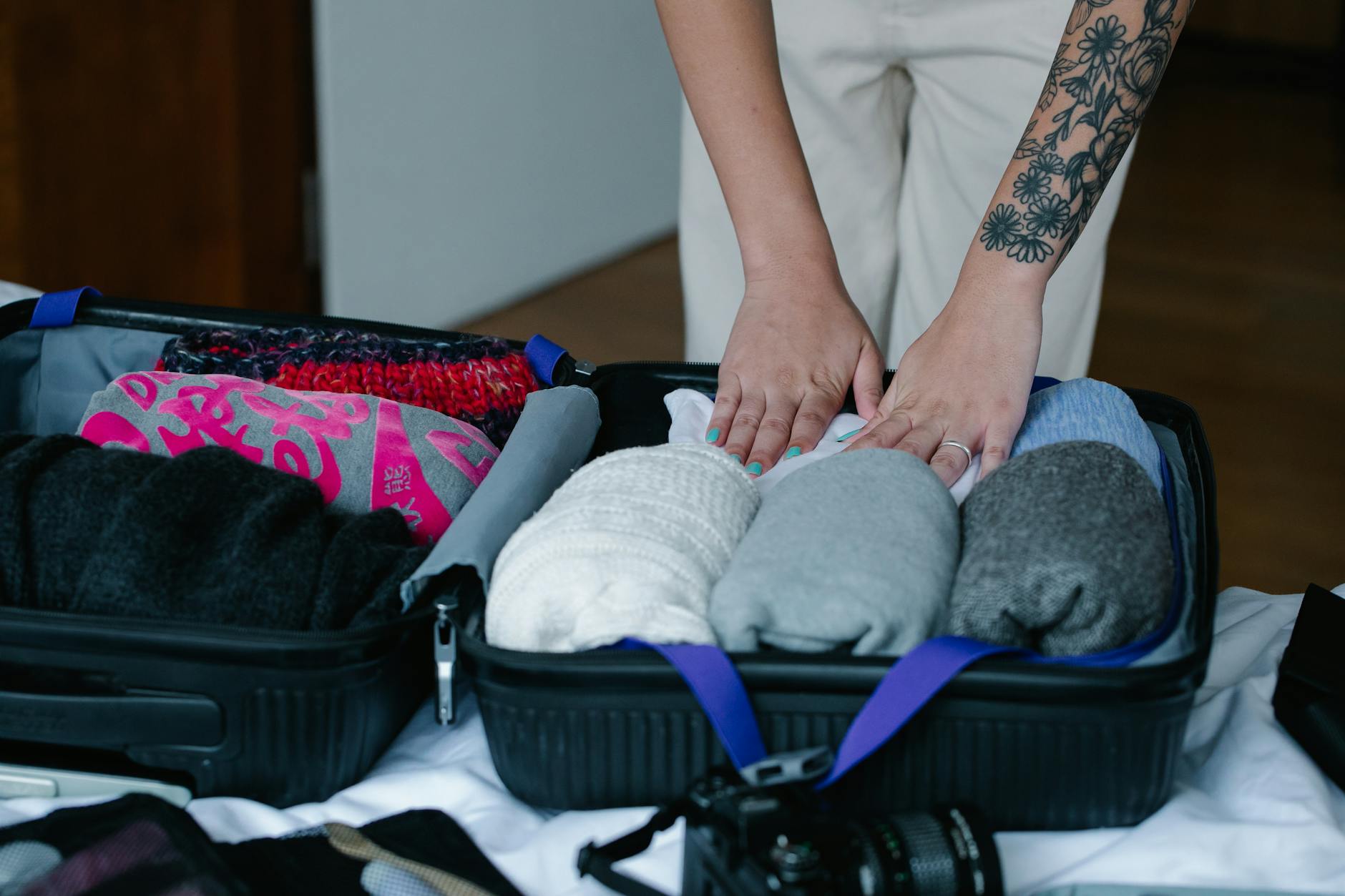
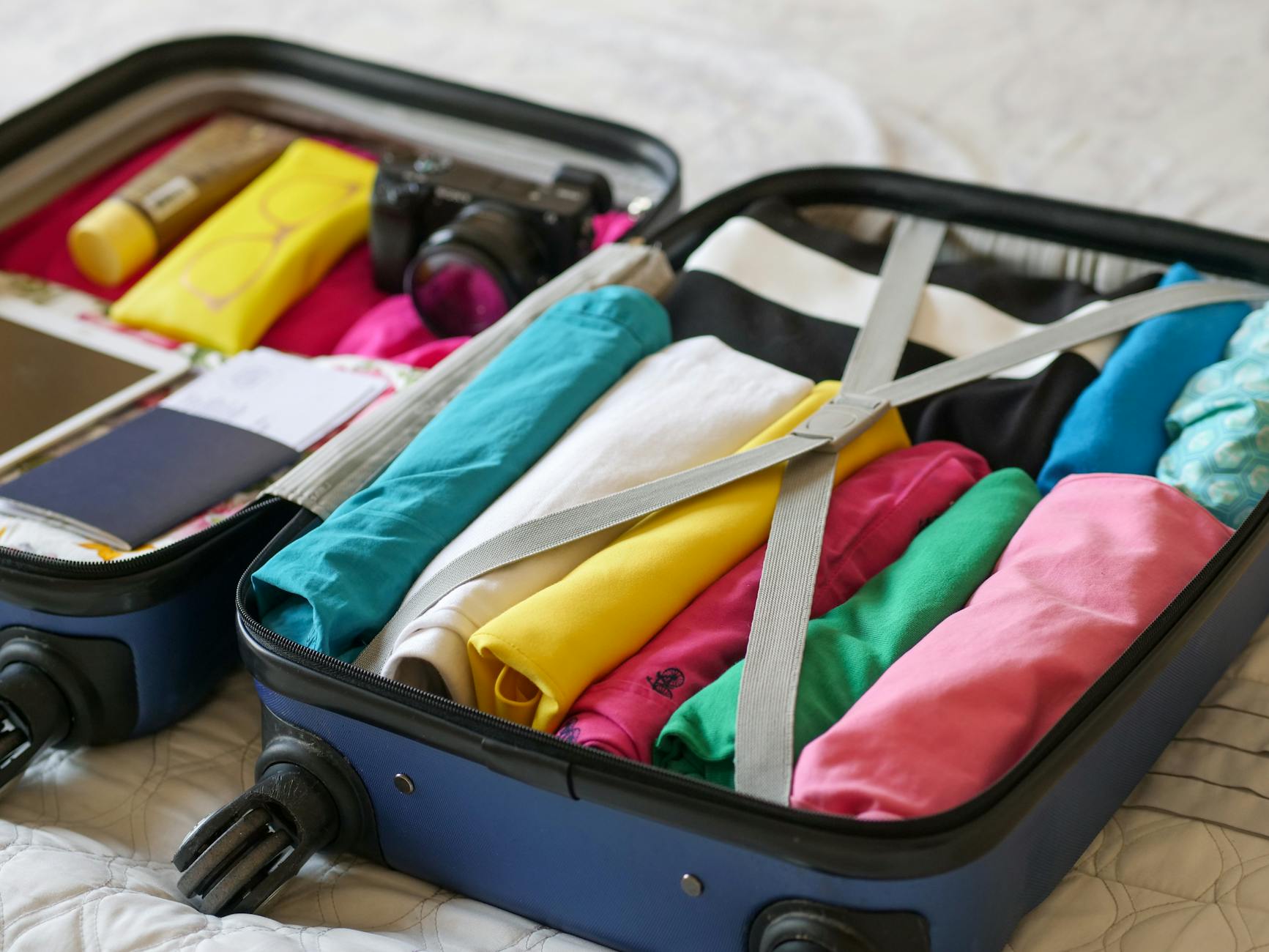
This is the single biggest upgrade you can make to your packing routine. Packing cubes turn a chaotic bag into an organized system. Instead of digging through a pile of clothes to find your second shirt on day three, everything is in its place.
Here’s how to divide your cubes:
- Cube 1 — Tops: Shirts, folded flat and stacked
- Cube 2 — Bottoms: Pants and shorts, rolled to save space
- Cube 3 — Underwear and socks: Small cube, stuffed efficiently
- Cube 4 — Gym or casual clothes: If you pack workout gear, keep it separate from your work clothes
The Compressible Packing Cubes from Better Travels are worth mentioning here — they compress down to save space in your bag, which makes a real difference when you’re working with a carry-on. They’re available on Amazon Canada and Amazon US, and they’ve become a core part of my own packing setup.
Once your cubes are packed, slot them into your bag like building blocks. Heavier cubes (pants, shoes) go flat at the bottom near the wheels. Lighter cubes (tops, socks) fill in the gaps above.
Step 4 — Handle Your Toiletries Without the Stress
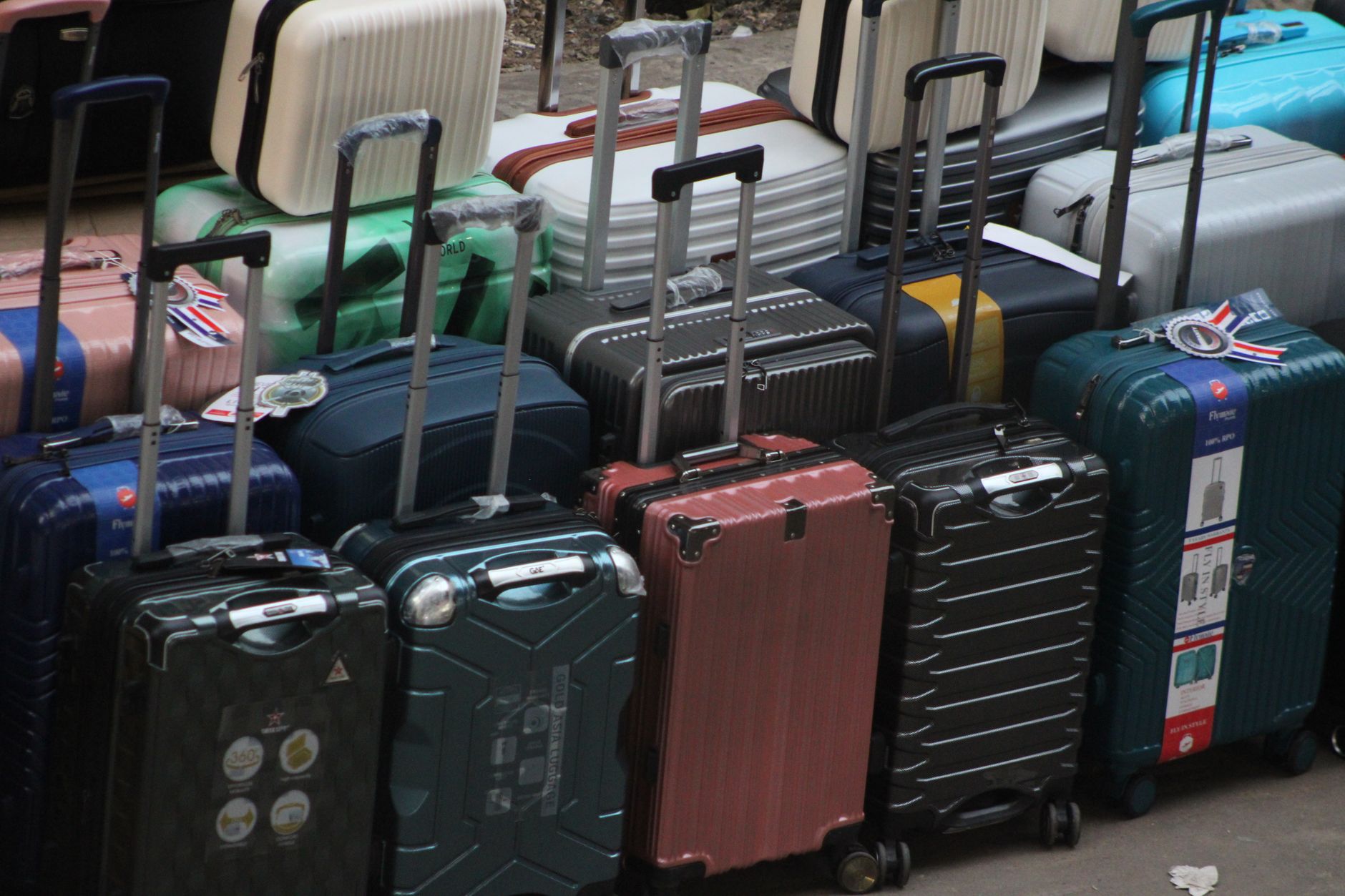
Toiletries are where most business travellers lose time — and occasionally their shampoo to a security bin. Keep it simple.
Stick to travel-sized versions of your essentials. Many hotels provide shampoo, conditioner, and body wash — so unless you’re particular about brands, skip those entirely. What you actually need: toothbrush, toothpaste, deodorant, face wash, razor, and any medications.
Pack it all in a single clear, zip-top bag. Keep this bag in the same outer pocket of your carry-on every trip — easy to pull out at security, easy to find in a dark hotel room at 6am.
Step 5 — Use Your Personal Item Strategically
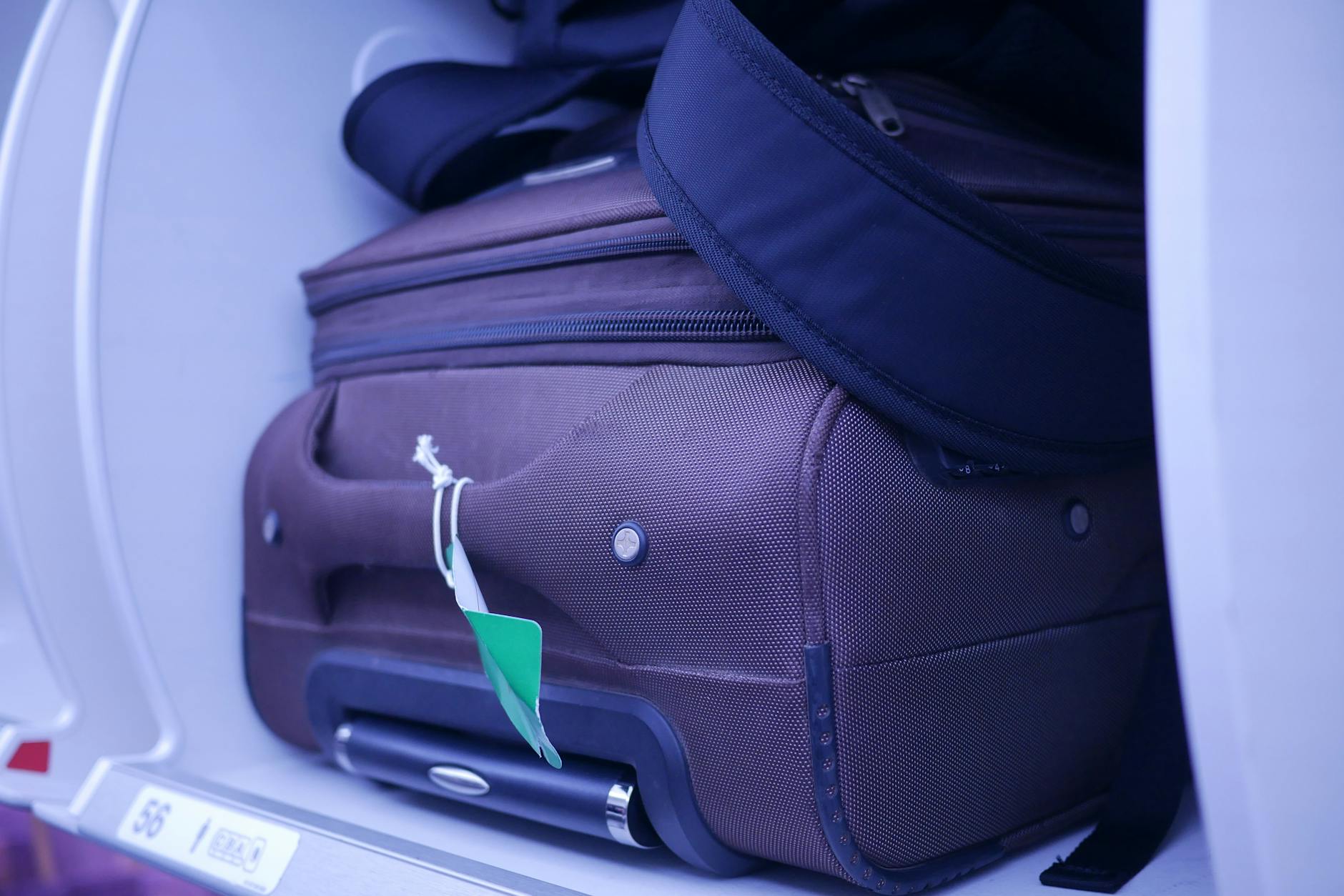
Your personal item (backpack or tote) is prime real estate. It goes under the seat in front of you, which means it’s accessible during the flight and off the overhead bin entirely.
Use it for your working essentials:
- Laptop and charger
- Noise-cancelling headphones
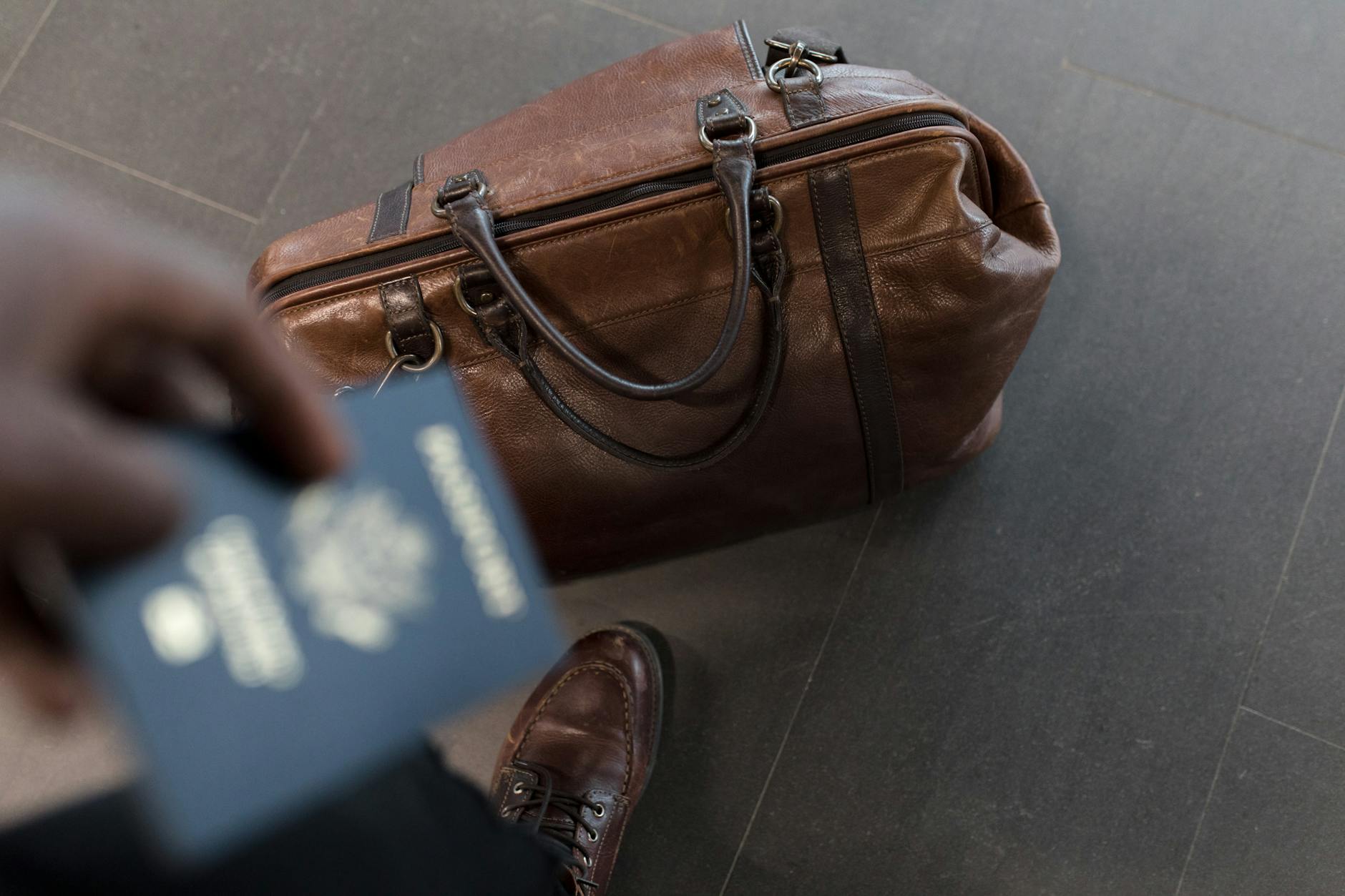
- Passport and travel documents
- Wallet, keys, phone
- Snacks and a water bottle (empty through security, fill after)
- Anything you’ll need on the plane or in the first 30 minutes after landing
Think of your personal item as your office-in-transit. Your carry-on is your wardrobe. Keep them separate in purpose and you’ll always know exactly where everything is.
Step 6 — Do a Final Weight and Volume Check
Before you zip up and head out, do a quick gut-check. Lift your carry-on — does it feel manageable? Can you hoist it into an overhead bin without asking for help? If it’s a struggle on the ground, it’s going to be a problem at 30,000 feet.
Most carry-on weight limits hover between 15–22 lbs depending on the airline. If you’re unsure, a portable luggage scale gives you a fast, accurate read before you leave home. No surprises at the check-in counter.
Pro Tips for Business Travel Packing
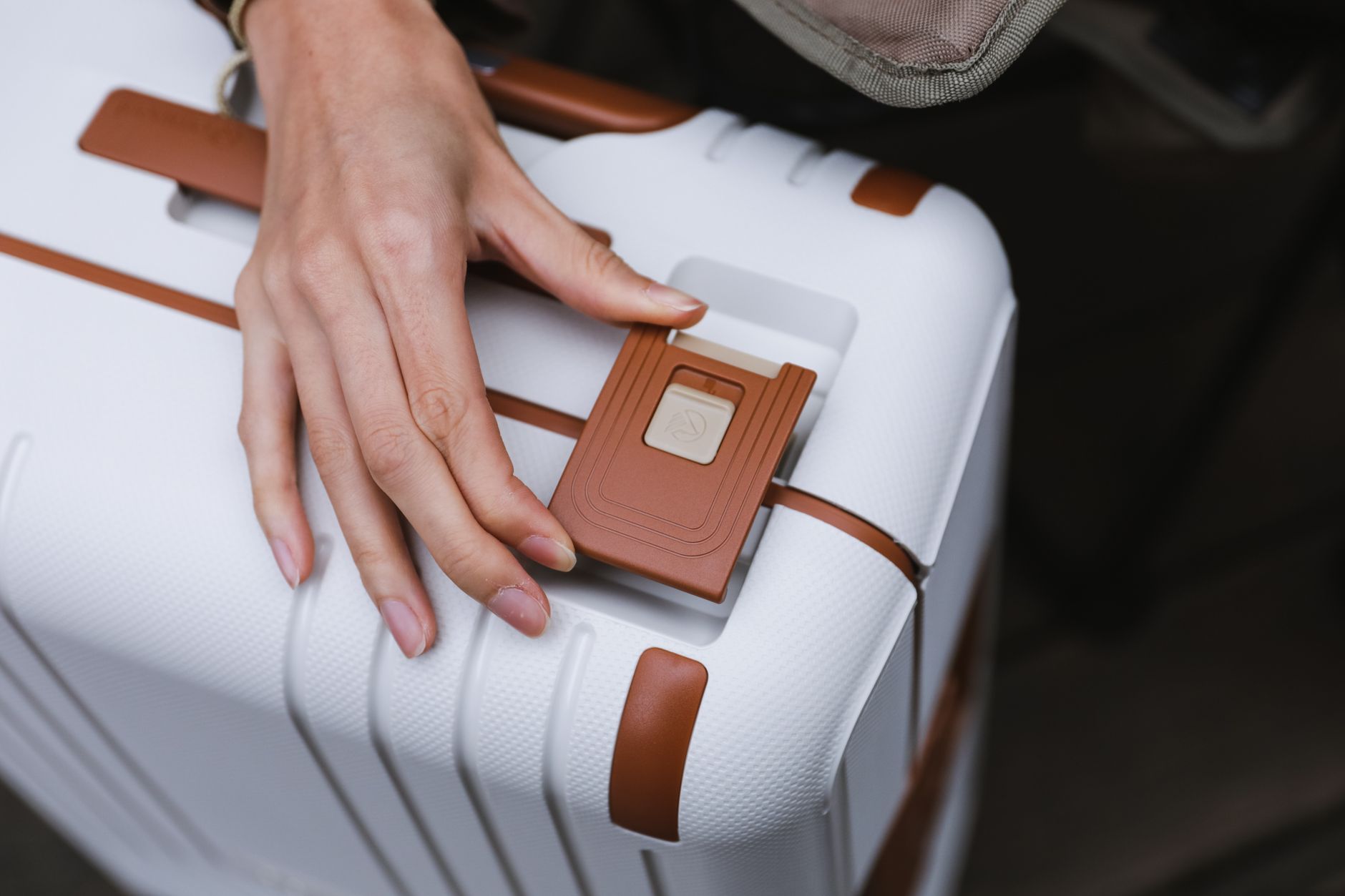
Keep a Dedicated Business Travel Kit
Don’t repack your toiletry bag from scratch every trip. Keep a second set of travel-sized toiletries packed and ready in your bag between trips. Same goes for your phone charger, travel adapter, and earbuds. The less you have to think about, the faster you’re out the door.
Wear Your Bulkiest Items on the Plane
Your heaviest shoes and your thickest jacket take up serious bag space. Wear them instead. You’re not going to overheat at the airport — it’s air-conditioned. This single move can free up a surprising amount of room in your carry-on.
Use Dry-Cleaning Bags Between Dress Clothes
Slip a thin dry-cleaning bag (the kind from the dry cleaner) between your dress shirts and pants before packing. It reduces friction between garments, which means fewer wrinkles when you unpack. It’s an old trick, but it works better than any “wrinkle-free rolling” method I’ve tried.
Common Pitfalls in Business Travel Packing
Pitfall 1 — Packing for Every Scenario
This is the #1 reason bags get overpacked. You throw in a “just in case” outfit for a formal dinner that isn’t on your schedule. Then another layer because “what if it’s cold?” Then a second pair of dress shoes because the first ones might not match.
The fix: Pack only for the activities that are actually on your calendar. If a formal dinner isn’t confirmed, it doesn’t get a spot in your bag. Be honest with yourself — you know your trip better than your anxiety does.
Pitfall 2 — Leaving Packing Until the Night Before
Night-before packing is panic packing. You’re tired, you can’t find your travel adapter, and you end up throwing in extras because you don’t have time to think clearly.
The fix: Pack 48 hours before your flight. Lay everything out the night before that — shirts, pants, toiletries, electronics — then do your final pack the following morning when you’re fresh. You’ll make better decisions and forget fewer things. For a fuller system to get your travel prep under control, The Ultimate Travel Planning Checklist is a great place to start.
Pitfall 3 — Ignoring the Re-Packing Challenge
You pack perfectly for departure. Then after two days in a hotel room, your bag is a disaster and nothing fits back in the way it came out.
The fix: This is exactly what packing cubes solve. Because your clothes are in cubes — not loose in the bag — repacking is just a matter of putting the cubes back in. Even in a rush, you can be out of a hotel room in under 10 minutes. Pack once, travel twice.
Better Travels Tip
Better Travels Tip: The 1-2-3 Rule for Business Trips
For any trip under 5 days, try this simple rule: 1 bag, 2 pairs of bottoms, 3 tops. Everything else — shoes, layers, accessories — stays minimal. This isn’t about suffering through a trip with nothing. It’s about recognizing that you’ll wear your “backup” outfits about 10% of the time, but they take up 40% of your bag. The 1-2-3 rule keeps your packing honest and your bag light.
Wrapping It Up
Packing for business travel gets easier every time — but only if you build a system and stick to it. Start with your itinerary, build a lean capsule wardrobe, organize it with packing cubes, and keep your essentials in a personal item that’s ready to work the moment you land.
Your next action: Pull out your carry-on right now and do a dry run with your next trip in mind. Lay out what you think you need, then cut it by 20%. You’ll be surprised how little you actually miss — and how much better it feels to move through an airport without checking a bag. Carry on. Never check.
About the Author

Alex W.
Alex has been writing about travel logistics since 2019, with a focus on packing strategy and carry-on-only travel. When he’s not optimizing his airport routine, he’s probably repacking his bag for the third time this week.
